
What does the word Reiki mean? Rei and Ki explained
What does the word Reiki actually mean? Rei and Ki: understanding the two words behind Reiki. If you’ve come across Reiki and felt curious but unsure, you’re in good company. The word itself can sound mysterious, and when something feels unfamiliar, it’s natural to want to understand it before you trust it. So let’s start there, with the word, and gently work outwards.
Reiki comes from two Japanese words. Rei, often translated as universal or spiritual, and Ki, meaning life force or vital energy. Put together, Reiki describes universal life force energy, the subtle energy that flows through every living thing. That’s the simple answer. But each word carries something worth slowing down for, because understanding them helps the whole practice make sense.
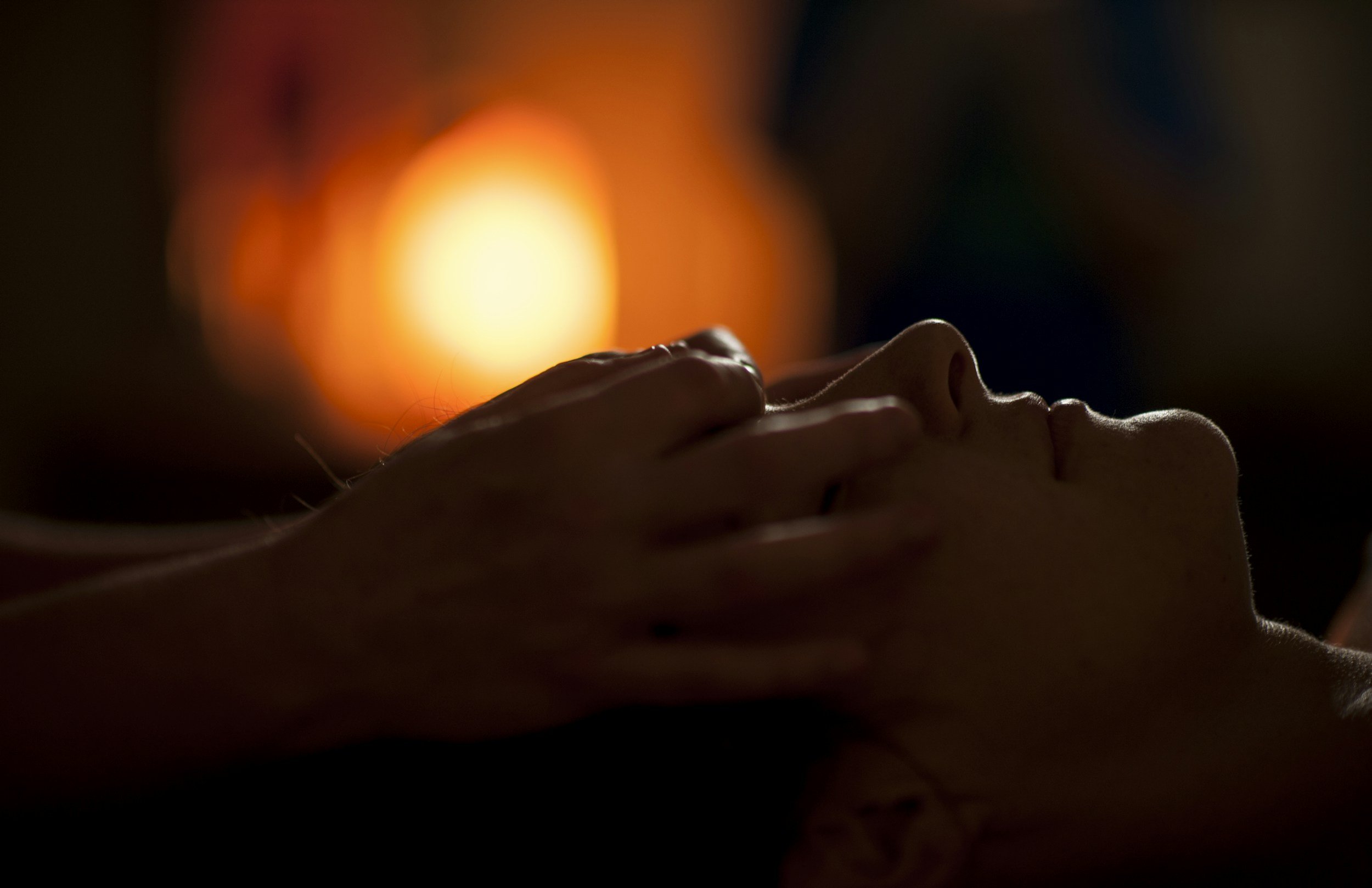
Rei: the universal part
Rei points to something wider than ourselves. It’s often translated as universal, sacred or spiritual, suggesting an intelligence or presence that runs through all of life.
You don’t need a particular faith to feel the truth of this. It’s the sense that you’re part of something larger, that you’re connected to the world around you rather than separate from it. Rei is that larger field, the universal aspect of the energy.
When people describe a Reiki session as feeling held or supported, this is often what they mean. The energy isn’t something the practitioner manufactures. It’s already there, all around, and the session simply helps you reconnect with it.
Ki: the life force within
Ki is the energy that animates you. It’s the same idea you’ll find across many cultures, known as Chi in China and Prana in the yogic tradition. It’s the vital force that flows through every living being.
You already have a felt sense of Ki, even if you’ve never named it. It’s the difference between a day when you feel vibrant and clear and a day when you feel flat, drained or heavy. When your Ki flows freely, you tend to feel well in yourself. When it’s blocked or depleted, often through stress, tension or simply carrying too much for too long, you can feel out of sorts in ways that are hard to put your finger on.
This is where Reiki gently meets you. The practice works with Ki, encouraging it to move and settle where it’s become stuck.
Rei and Ki together
When you bring the two words back together, something lovely emerges. Reiki is the universal energy (Rei) meeting and supporting your own life force (Ki). It’s the wider, abundant energy of life flowing in to nourish the energy within you.
That’s why Reiki is described as a healing practice rather than a treatment in the medical sense. Nothing is being added or fixed from the outside. Instead, the practice helps restore a natural flow that was always meant to be there, helping you come back to balance. You can read more about how this energy moves and settles in our piece on Reiki energy and clearing
How this shows up in a session
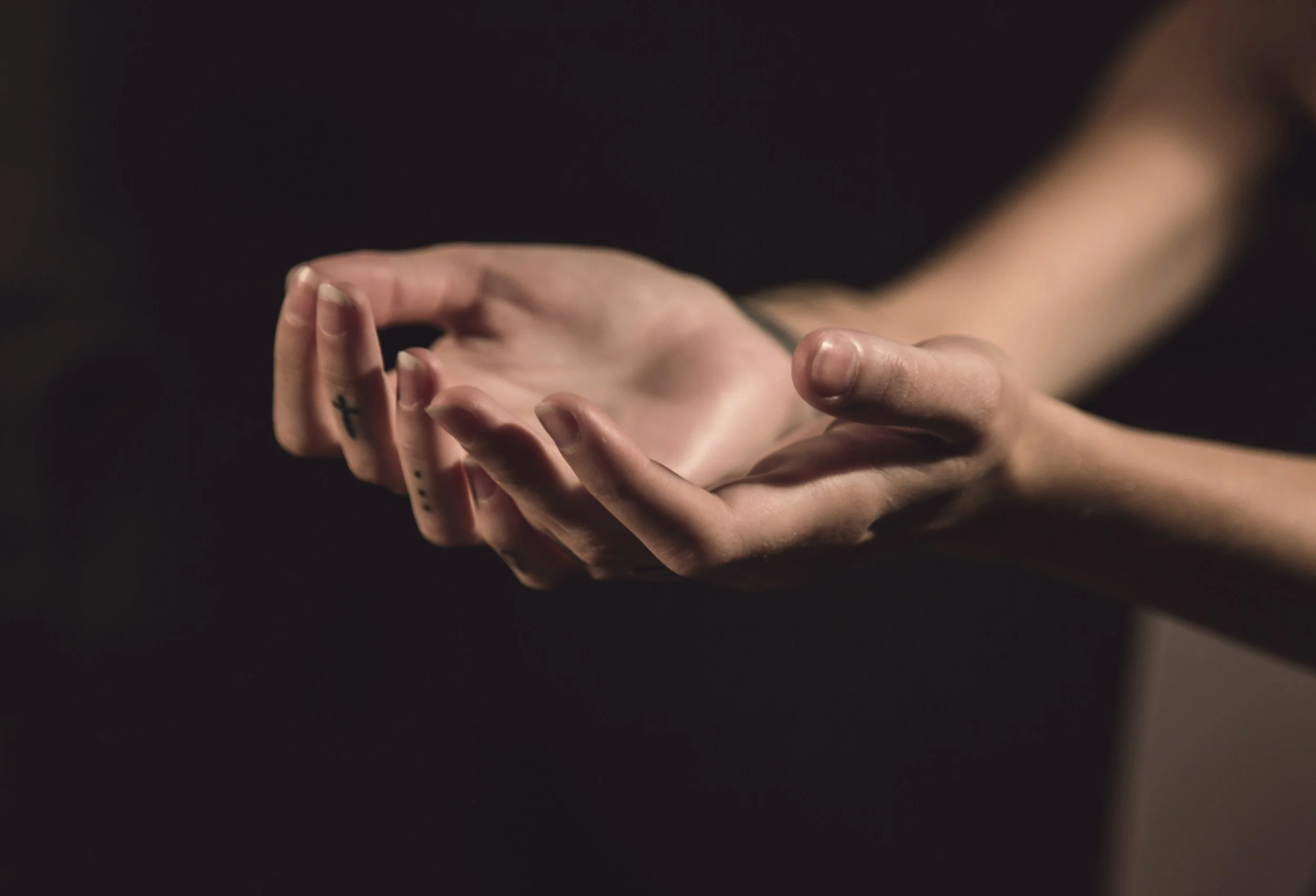
Understanding the words makes a Reiki session far easier to picture. During a session, you stay fully clothed, usually lying down in a comfortable position. The practitioner places their hands lightly on or just above the body, working calmly through a series of positions.
There’s nothing you need to do. You don’t have to believe anything, perform anything or empty your mind. Many people simply rest, and some drift into a deep, dreamlike relaxation. What’s happening, in the language of Rei and Ki, is that the universal energy is being invited to support your own, encouraging it to flow more freely.
People describe the experience in various ways:
• A feeling of warmth or gentle tingling where the hands rest
• A deep sense of calm, as though the body has finally been allowed to soften
• Emotional release, sometimes quiet tears or a sense of weight lifting
• A clearer, lighter feeling afterwards that can last for days
There’s no right way to respond. Your experience is simply yours.
Understanding why the meaning matters to you can truly make a difference. It helps you connect more deeply with what truly matters and enhances your overall experience.
If you’re feeling stretched thin, anxious or quietly worn down, the idea behind Reiki is genuinely reassuring. It says that the energy you need isn’t something you have to find, earn or build from scratch. It’s already here, universal and abundant, ready to support you.
The peace you’re looking for isn’t out there somewhere. It’s within you, beneath the noise and the tiredness, waiting to be remembered. Reiki is one gentle way of coming back to it.
You’re not broken, and nothing about you needs repairing. You may simply be a little disconnected from yourself for now, and that’s something that can soften with care and rest. If you’d like a fuller picture of what the practice offers, our guide to the benefits of Reiki is a warm place to continue.
A gentle next step
Now that you understand what the word Reiki means, you might feel curious to experience it for yourself. There’s no pressure to decide anything today. The most important thing is to find a practitioner you feel comfortable with, in a setting that feels right for you. You don’t need to arrive with a clear goal or a specific problem. You can simply come as you are.
Explore my Reiki healing options
I also have a Reiki business which trains Reiki healers, called the Home of Reiki. On my site, you can find a directory to find a qualified, experienced Reiki practitioner in your area.
Every practitioner listed has been trained to a high standard and is there to support you at whatever pace feels right. If you’re ready to explore what Reiki can do for you, a conversation costs nothing, and a first session might be more straightforward than you expect.
Home of Reiki is a community dedicated to bringing together qualified Reiki practitioners and those looking for them. Whether you want to receive Reiki, learn it, or deepen an existing practice, you’ll find support, training and resources throughout the site.