
What is Reiki and How Does it WORk?
What is reiki and how does it work?
If you’ve been carrying stress for a long time, or you’re feeling physically and emotionally depleted, you might have come across reiki as something worth exploring. Perhaps someone you know has tried it, or you’ve seen it mentioned alongside other complementary therapies. Whatever brought you here, the question is a straightforward one, and it deserves a straightforward answer.
Reiki is a gentle, non-invasive energy healing practice that originated in Japan in the early twentieth century. A trained practitioner channels universal life force energy through their hands, either with light touch or just above the body, to support your body’s own natural ability to heal and rebalance. That’s the core of it. Everything else builds from that.
Where reiki comes from?
Reiki was developed in Japan in the 1920s by a man named Mikao Usui. After a period of deep meditation and spiritual practice on Mount Kurama, Usui reported receiving the knowledge and ability to use this healing energy, and he spent the rest of his life teaching it to others.
The word reiki itself is made up of two Japanese words. “Rei” translates roughly as universal or spiritual wisdom, and “ki” means life force energy, the same concept known as “chi” in Chinese medicine and “prana” in the Indian Ayurvedic tradition. The idea that a vital, invisible energy flows through all living things is ancient and appears across many cultures. Reiki is one specific system for working with that energy in a structured, intentional way.
From Japan, the practice was brought to the West in the late 1930s by a practitioner called Hawayo Takata, and it’s been growing steadily ever since. Today it’s used in hospitals, hospices, cancer care settings and private practice around the world.
The principle reiki works from:
To understand how reiki works, you need to start with its central principle: that life force energy flows through your body along specific pathways, and that your physical, emotional and mental wellbeing are all connected to how freely that energy moves.
When you’re under sustained pressure, dealing with grief, illness, anxiety or emotional pain, that energy can become disrupted or blocked. Reiki practitioners refer to this as an imbalance. It’s not a diagnosis in a medical sense, but it’s a way of describing how prolonged stress or difficulty can show up in the body, in your sleep, your mood, your physical tension, and your ability to recover.
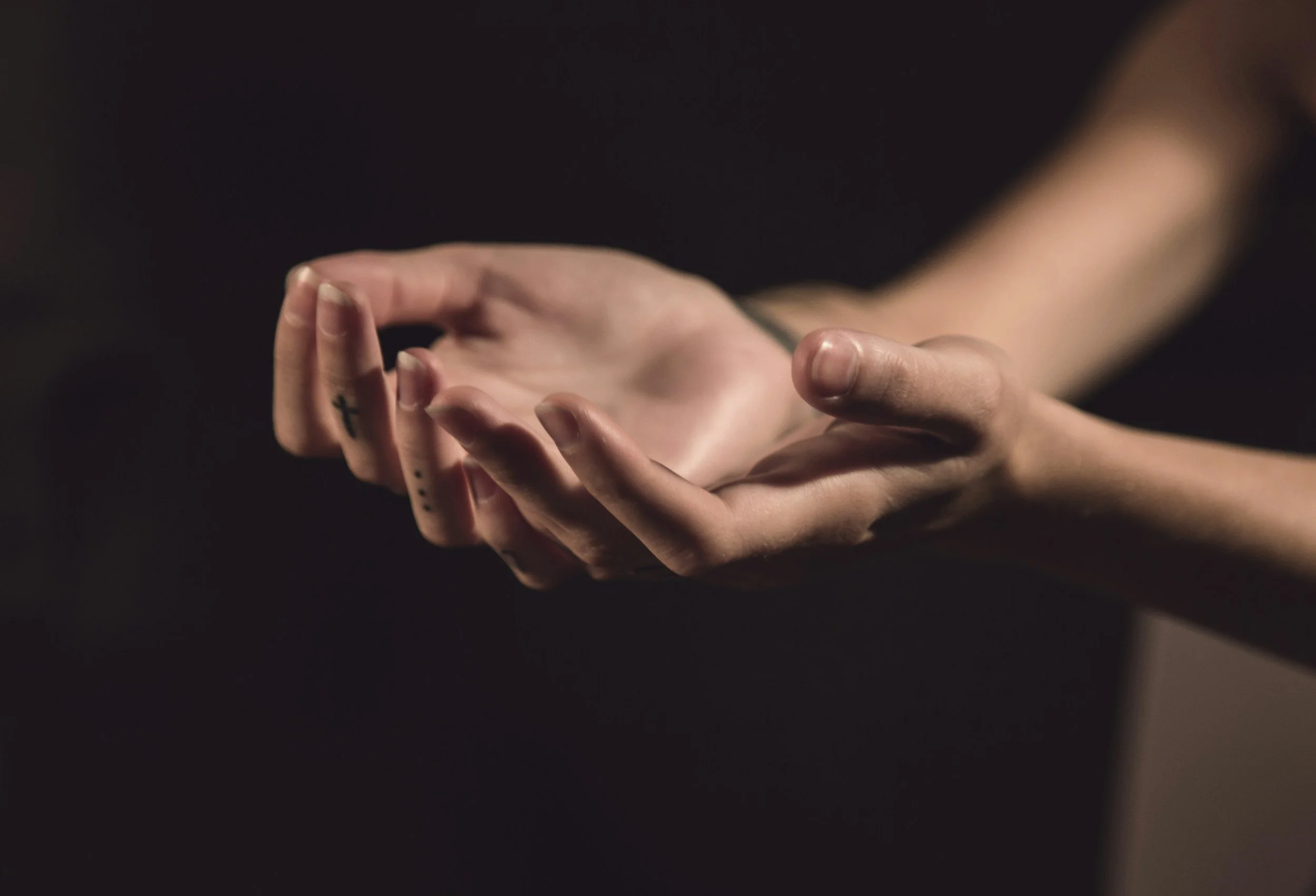
A reiki session is designed to address those imbalances directly, by gently encouraging energy to flow more freely. Your body then uses that restored flow to begin healing itself, in whatever way it most needs to.
What actually happens in a reiki session?
If you’ve never experienced reiki before, knowing what to expect makes a real difference. It’s a calm, quiet process and there’s nothing complicated or demanding asked of you.
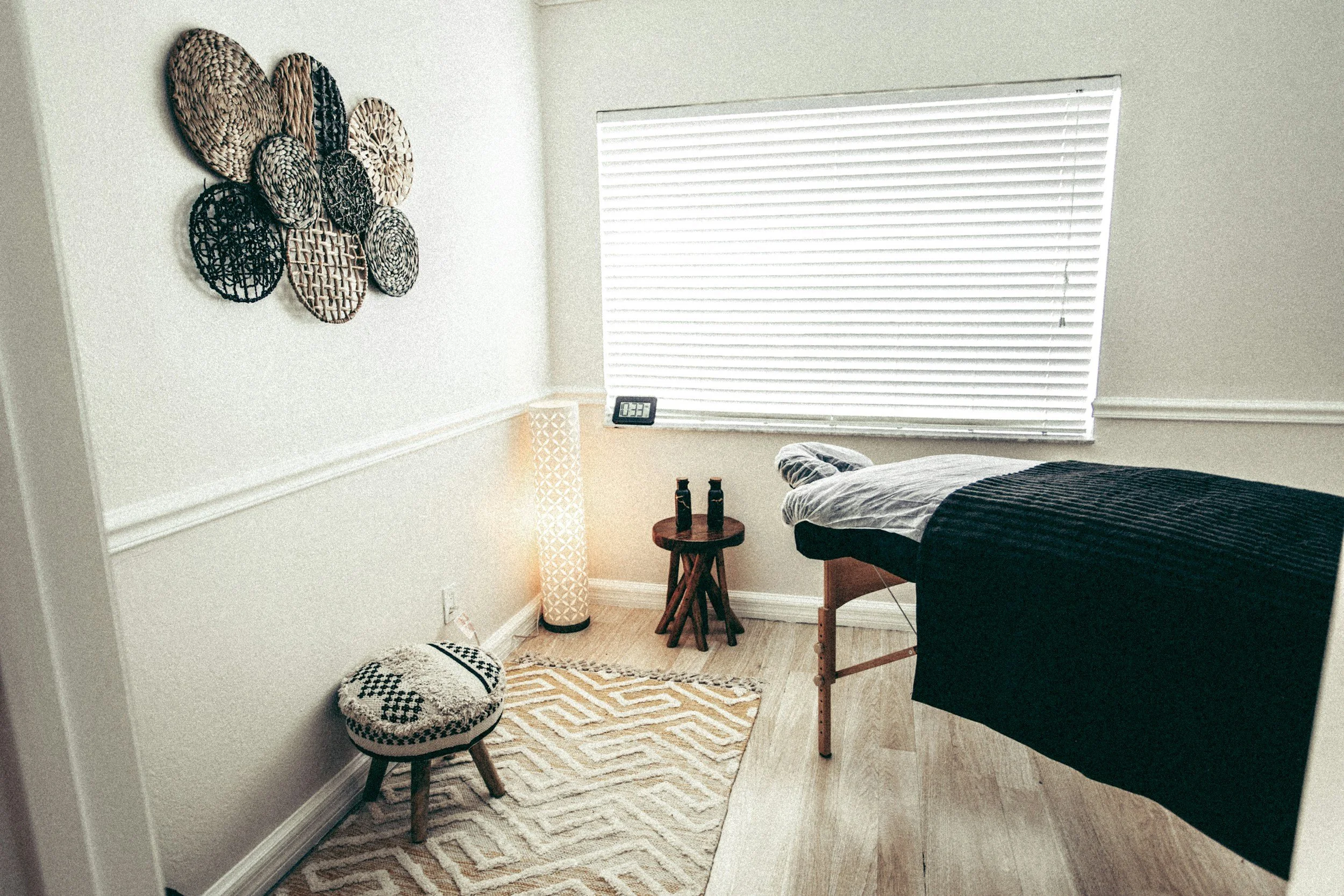
You’ll usually lie fully clothed on a treatment couch, in a warm, quiet room. The practitioner will begin with a brief conversation about how you’re feeling and what you’re hoping to get from the session. Then the treatment itself begins.
The practitioner places their hands gently on or just above different areas of your body, typically starting at the head and working down to the feet. Each position is held for several minutes. You don’t need to do anything. Most people find themselves relaxing quite deeply, sometimes to the point of drifting into a light sleep.
What people report feeling during a session varies. Some describe warmth or gentle tingling beneath the practitioner’s hands. Others notice a sense of calm spreading through their body, or emotions surfacing and softening. Some feel very little during the session itself but notice changes in how they feel over the following days, better sleep, reduced anxiety, and a sense of things settling.
A session typically lasts between 30 minutes and an hour. Afterwards, it’s common to feel calm, relaxed, or quietly emotional. Drinking water and resting if you can tends to help your body integrate the session well.
The five Reiki principles:
Reiki isn’t only a hands-on healing practice. It comes with a set of five guiding principles that Mikao Usui taught as part of the system. These aren’t rules to follow perfectly; they’re intentions to return to, daily. They go like this:
Just for today, I won’t be angry
Just for today, I won’t worry
Just for today, I’ll be grateful
Just for today, I’ll do my work honestly
Just for today, I’ll be kind to every living thing
The phrase “just for today” matters. It keeps the focus on the present moment, where healing happens. If you’re someone carrying a lot of anxiety about the future or pain from the past, these principles offer a gentle place to anchor yourself.
What reiki works on:
One of the things people find reassuring about reiki is that it works on all levels at once. You don’t need to identify a specific problem for it to be useful. It meets you where you are.
Physically, reiki is known to support relaxation, help with sleep, ease tension and complement recovery after illness or medical treatment. It’s used alongside conventional care for people going through chemotherapy, surgery and chronic pain management. It doesn’t replace medical treatment, but it can work well alongside it.
Emotionally, reiki can help when you’re feeling overwhelmed, stuck, disconnected or numb. Many people find that sessions create a space where difficult emotions can surface gently and shift, without needing to be analysed or talked through.
Mentally, the deep relaxation reiki produces has a direct effect on the nervous system. When your body genuinely rests, your mind tends to follow. People often report greater mental clarity and a reduced sense of urgency after sessions, even when their external circumstances haven’t changed.
Spiritually, reiki can support a deeper sense of connection to yourself, and to whatever gives your life meaning. That doesn’t require any particular belief system. You don’t need to be spiritual, religious or have any particular views. Reiki works regardless.
You’ll often hear Reiki discussed in relation to the chakras. These are energy centres within the body, described in both Indian and Japanese healing traditions. There are seven main chakras, running from the base of the spine to the crown of the head, and each one is associated with different aspects of physical and emotional health.
When a chakra is blocked or out of balance, it can affect how you feel in quite specific ways. The heart chakra, for example, is connected to your capacity for love, grief and connection. The solar plexus chakra relates to confidence, boundaries and personal power. Reiki doesn’t target individual chakras in a clinical sense, but a practitioner will often sense where energy needs attention and work in those areas.
If you want to understand this in more depth, here is a blog which explains what chakras are.
Something that surprises many people is that Reiki doesn’t have to be delivered in person. Distant reiki (also called remote healing) is a practice in which the practitioner sends healing energy to someone who isn’t physically present, sometimes across town, sometimes across the world.
This works because at the level of energy, physical distance doesn’t operate the same way it does in the material world. Practitioners are trained in specific techniques for intentionally directing energy across space, and many people report experiencing the same warmth, calm, and sense of shift they’d feel in a hands-on session.
If you’re unable to travel or prefer to receive a session from home, distant reiki is a genuine option.
How many sessions do you need?
There’s no single answer to this, because it depends on what you’re bringing to Reiki and what you’re hoping to get from it. Some people come for a single session and feel a noticeable shift. Others find that a course of sessions over several weeks allows for bigger, more sustained change.
As a general guide, if you’re dealing with a long-standing issue, whether that’s chronic stress, anxiety, sleep problems or emotional difficulty, it’s usually worth committing to at least three to four sessions before assessing how you feel. Healing tends to build in layers, and giving it time to settle is part of the process.
That said, even a single session can offer a meaningful experience of rest and reset when you need it most.
Reiki and conventional medicine:
Reiki is a complementary therapy, not an alternative one. That distinction matters. It’s designed to work alongside medical treatment, not to replace it. If you’re managing a health condition, experiencing symptoms that need investigation, or taking prescribed medication, Reiki sits alongside that care, not in opposition to it.
Many NHS trusts, private hospitals and hospices now offer Reiki as part of their integrative care programmes, particularly in oncology and palliative settings. That reflects a growing recognition of its value as a supportive practice, even where the clinical evidence base is still developing.
Taking the next step:
If you’re considering Reiki for the first time, the most important thing is to find a practitioner you feel comfortable with, in a setting that feels right for you. You don’t need to arrive with a clear goal or a specific problem. You can simply come as you are.
Browse the Home of Reiki practitioner directory to find a qualified, experienced healer in your area. Every practitioner listed has been trained to a high standard and is there to support you at whatever pace feels right. If you’re ready to explore what Reiki can do for you, a conversation costs nothing, and a first session might be more straightforward than you expect.
Home of Reiki is a community dedicated to bringing together qualified Reiki practitioners and those looking for them. Whether you want to receive Reiki, learn it, or deepen an existing practice, you’ll find support, training and resources throughout the site.