
What Your Life Line Really Means
Ask almost anyone to point to their life line and chances are they will do it with a slight shiver haha, a feeling that something important, perhaps even death, lives within their hand. Of all the lines studied in palmistry, none carries more mythology, more fear or more misunderstanding than this one. It is time to set the record straight.
Where to Find the Life Line
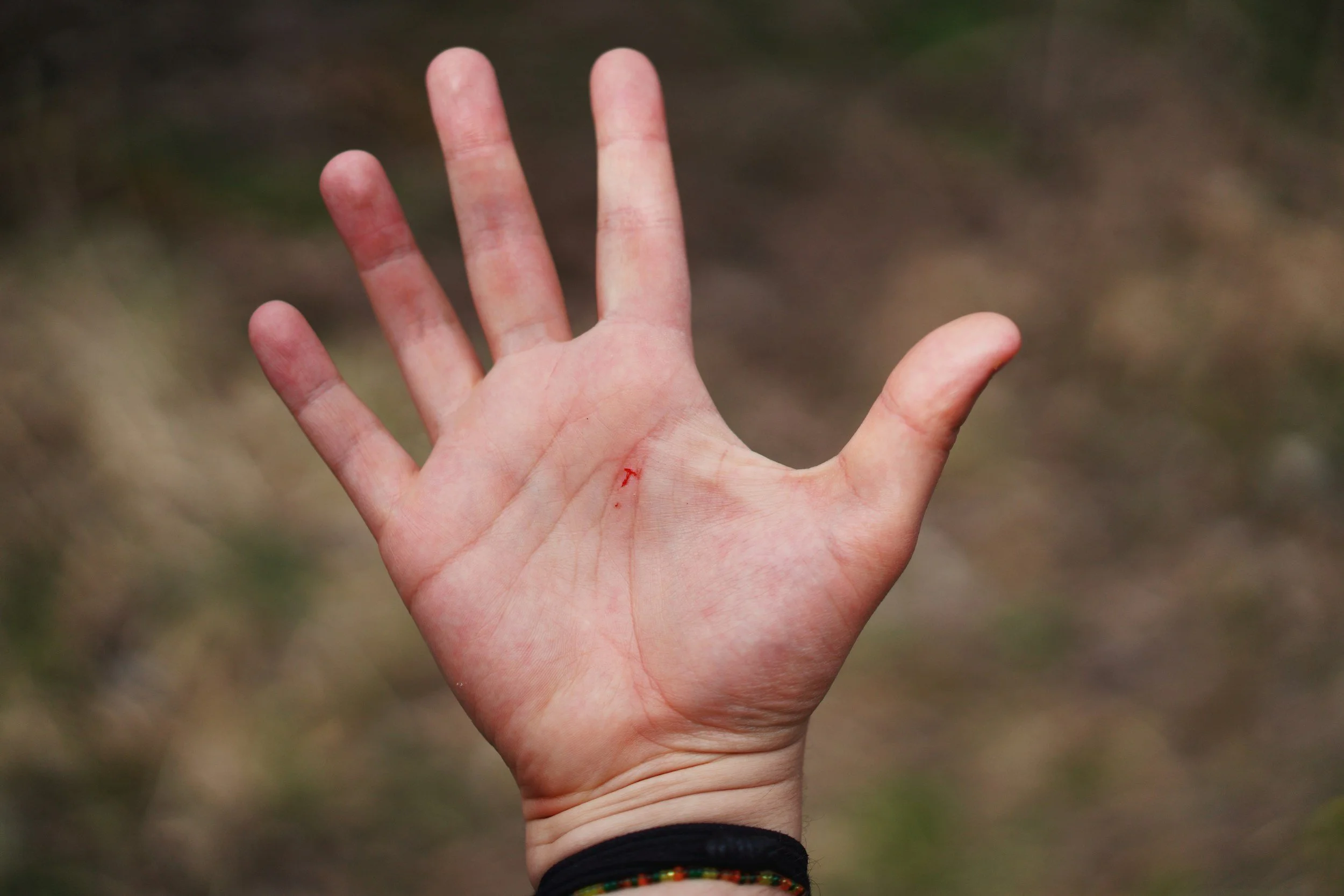
The life line is the curved arc that sweeps around the base of the thumb, beginning somewhere between the thumb and index finger and travelling downward toward the wrist. It is almost always one of the most visible lines on the hand bold, sweeping and impossible to miss once you know where to look. In some palms it curves wide into the centre; in others it hugs close to the thumb. Both variations, as you will discover, tell their own story.
The Great Myth: Length Does Not Mean Lifespan
Perhaps the most persistent myth in all of palmistry is the belief that a short life line means a short life. This is simply not true, and it is worth saying plainly: the life line does not predict when you will die. No reputable palmistry tradition makes this claim.
What the life line actually reflects is the quality of your life, your energy, your vitality, your enthusiasm for living, and the major transitions that shape your journey. Think of it less as a countdown and more as a biography: rich with texture, full of detail, and entirely unique to you.
The life line is not a sentence. It is a story.
Depth and Strength: Reading Your Energy
One of the first things a palm reader will notice is how deeply the life line is etched into the palm. A deep, boldly defined life line suggests strong physical vitality and a robust constitution. These individuals tend to approach life with energy and resilience, recovering well from setbacks and maintaining stamina through demanding periods.
A faint or thin life line, by contrast, does not signal weakness or illness. Rather, it may point to someone who is more sensitive, finely tuned, and perhaps more susceptible to stress or burnout. For these individuals, rest and self-care are not luxuries, they are necessities. The line simply reflects a different kind of energy: quieter, more internal, but no less meaningful.
The Arc: Wide or Close?
Pay close attention to the shape of the arc the life line makes as it travels around the base of the thumb. A life line that curves wide into the palm, sweeping generously toward the centre of the hand, is traditionally associated with an outgoing, adventurous spirit. These are people who throw themselves into life with both arms open. They travel, they seek, they embrace the new.
A life line that stays close to the thumb, hugging tightly rather than spreading wide, suggests a more cautious nature. This person is considered and deliberate, perhaps more of a homebody, someone who finds security in the familiar rather than excitement in the unknown. Neither quality is better, they simply represent different ways of moving through the world.
Breaks, Branches, and Other Markings
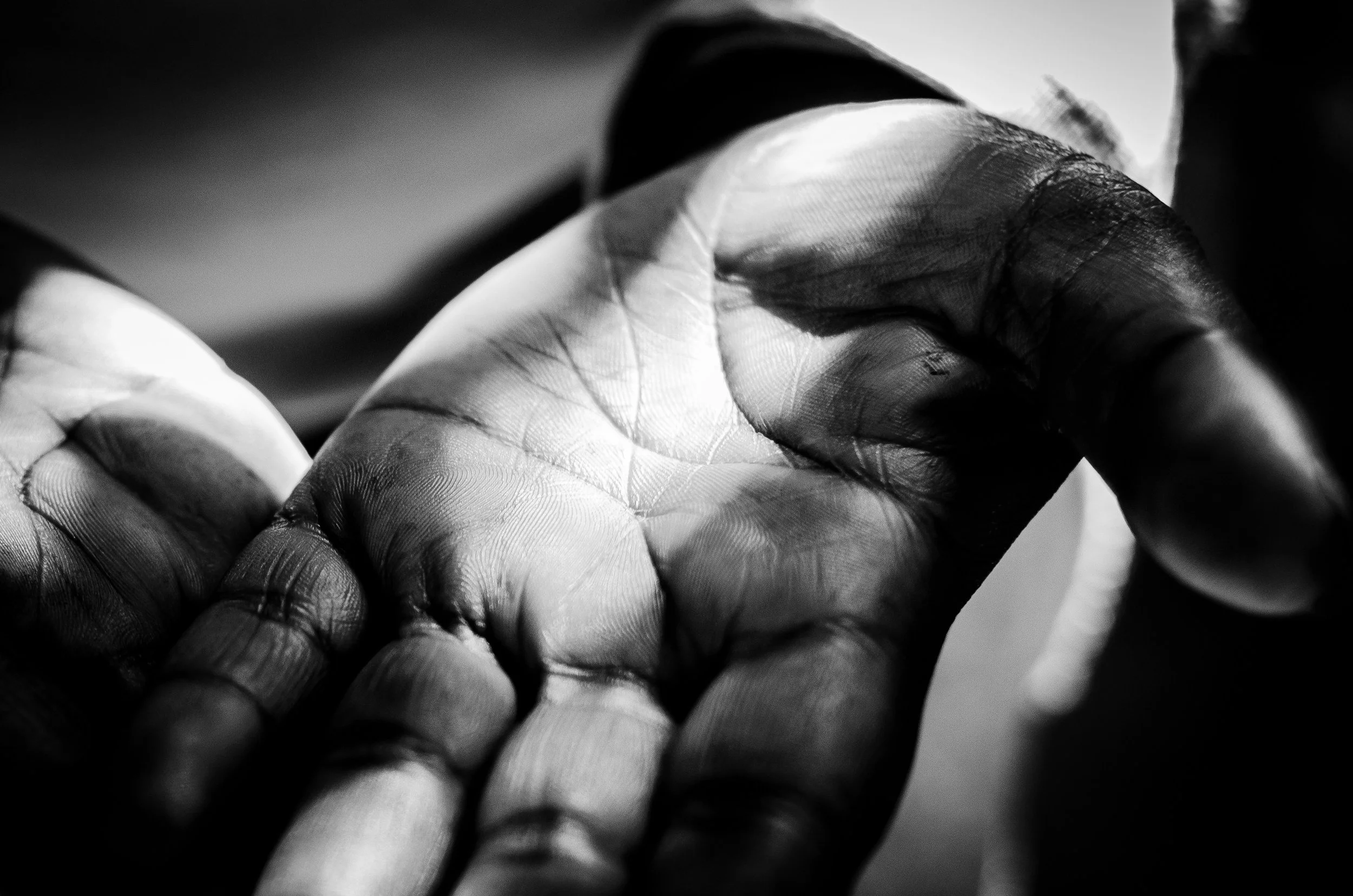
Breaks in the life line are among the most anxiety-inducing features for beginners, but they need not be. A break typically signals a significant transition, a major change of direction, a period of upheaval that gave way to transformation. Many people who have experienced a dramatic life shift, whether a move abroad, a reinvention of career, or recovery from a serious challenge, find a corresponding break in their line. It is a mark of change, not catastrophe.
Branches rising upward from the life line are considered positive signs, often pointing to bursts of ambition, opportunity, or achievement at the corresponding stage of life. Branches dipping downward may indicate periods of difficulty or drain. And islands, small oval shapes within the line, can suggest times of stress or uncertainty, phases in which your energy or sense of direction was temporarily diminished.
When Two Become One: The Sister Line
Some palms show a second, parallel line running alongside the life line, close to the thumb. This is sometimes called the inner life line or the Mars line, and it is widely considered a protective and strengthening influence. Its presence suggests an extra reserve of resilience, an inner resource that supports the person through difficult times. If you have it, consider it a quiet gift.
Reading the Timeline
Many palmists use the life line as a rough timeline, reading from the top of the arc (representing early life) downward toward the wrist (representing later years). Events and markings positioned higher on the line are associated with youth; those lower down correspond to midlife and beyond. While this method requires practice and should be approached with care, it can add a useful layer of depth once you are familiar with the basics.
The Bigger Picture
As with every line in palmistry, the life line should never be read in isolation. It is one thread in a much richer tapestry. The shape of the hand, the depth of the heart and head lines, the presence of the fate line, all of these elements speak to one another. A short life line on a hand with strong, vibrant mounts and a bold heart line tells a very different story from the same short line on a hand where every marking is faint and indistinct.
Above all, remember that the lines in your palm are not fixed. They change and deepen as you live, choose, and grow. The life line is not a verdict handed down at birth. It is an evolving record of the life you are actively creating — one decision, one adventure, one quiet ordinary day at a time.
Your life line does not tell you how long the story will be.
It tells you how fully you are living it.