
Clutter clearing tips for a sacred space
Clutter clearing tips for a sacred space
If your home feels heavy, chaotic or hard to relax in, clutter is often the first place to look. When you’re already stretched, stressed, anxious, carrying a lot the state of your space affects you more than you might realise. A cluttered environment adds to the noise, even when it’s silent. Clearing it is one of the most direct things you can do to shift how you feel at home.
In feng shui and energy clearing, clutter isn’t just a tidying issue. It’s understood as stuck or stagnant energy, things that aren’t being used, aren’t being loved, or haven’t yet been dealt with. That stagnation has a real effect on the flow of chi (life-force energy) through your home, and in turn, on how you think, sleep, rest and recover. The good news is you don’t need to overhaul everything at once. Small, deliberate steps make a real difference.

Start at the Front Door
Start at the entrance
The way you enter your home sets the tone for everything that follows. If you walk through your front door and you’re immediately met with bags, shoes, unopened post and general disorder, your energy drops before you’ve even taken your coat off. In feng shui, the entrance is where energy first flows into a home, so it’s the most important place to begin.
Clear the floor, create a home for everyday items and make sure the door can open fully without obstruction. It doesn’t need to be elaborate, just clear and calm. When you walk in and feel settled rather than overwhelmed, that’s the difference a cleared entrance makes.
Work through the rooms where you spend the most time
Once the entrance feels right, move through your home in order of where you actually spend your time. The bedroom and the living room tend to have the most impact because you’re in them for extended periods. The energy in those spaces has a cumulative effect on your rest, your mood and your ability to recover.
In the bedroom especially, clutter is disruptive in a way that’s easy to underestimate. Items stored under the bed, piles of clothes on chairs, surfaces crowded with objects that don’t belong, all of it creates a kind of background noise that interferes with sleep and recovery. Start by clearing the floor and the surfaces immediately around where you sleep. Store what needs storing and remove what doesn’t belong in the room at all.
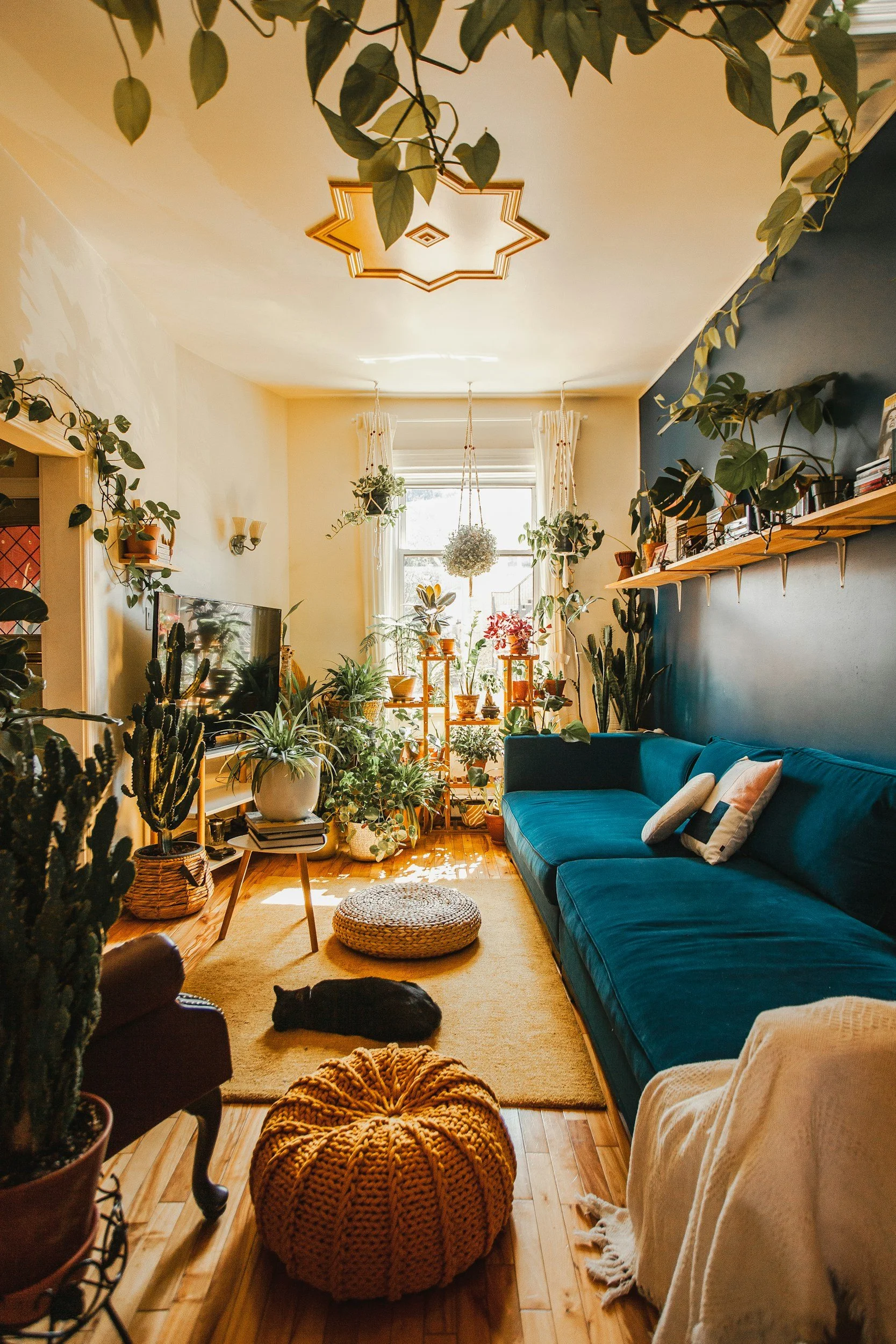
Does this feel cluttered to you?
Be honest about what you’re keeping and why
This is where clutter clearing becomes something more than tidying. When you hold an item and ask yourself whether you genuinely use it, love it or need it, you’re making a real decision about what you want in your space. Items that carry painful associations, that remind you of something you’d rather move on from, or that you’re holding onto out of obligation rather than genuine connection these are worth looking at honestly, why not recycle them, give them away, pass them onto someone that will love it.
You don’t have to approach this harshly. It’s simply a question of whether the things around you support the life you’re living now, or whether they belong to a version of the past you’ve already moved through. Letting go of what no longer fits isn’t a loss. It creates room.
What to prioritise when clearing
If you’re not sure where to focus, these categories tend to have the most immediate impact:
Anything broken that you haven’t repaired and don’t realistically plan to. Broken items take up space and sit as unfinished business in your environment.
Things you haven’t touched in over a year. If it’s been that long, it’s likely not serving you.
Objects tied to relationships or experiences that felt difficult. You don’t have to hold onto things that bring up pain each time you see them.
Excess. Overcrowded surfaces and overfull drawers create a sense of overwhelm even when individual items aren’t problematic. Give things room to breathe.
Irritants. Tangled cables, an overflowing bin, a drawer that doesn’t close properly, small irritants add low-level friction to your day. Fix what you can, remove what you can’t.
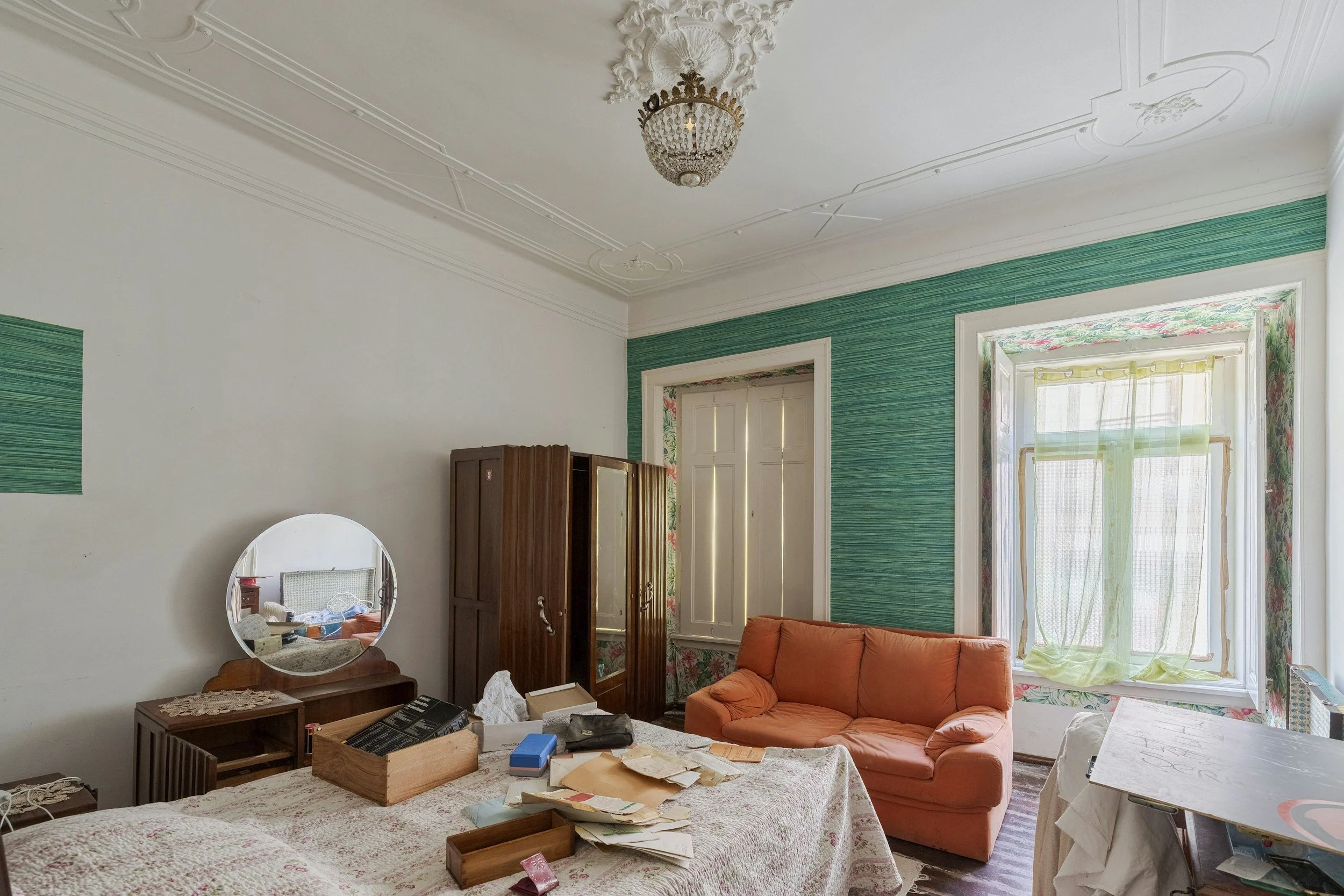
One drawer at a time
Keep it manageable
One of the most common reasons clutter clearing stalls is that it feels like it has to be done all at once. It doesn’t. Start with a single drawer, a shelf or one surface. Allocate 15 to 30 minutes and focus only on that area. When it’s done, that area is done, and you’ll feel the difference even from one small cleared space.
Clutter clearing isn’t a single event, it’s a practice. Life brings new things in regularly, so building a habit of regularly reassessing what’s around you keeps your space from becoming stagnant again over time.
Intention matters
In feng shui, the intention behind an action is what gives it depth. Before you begin clearing, it helps to pause and ask yourself what you want your home to feel like and what you want it to support. Approaching the process as something you’re doing for your space, and for yourself rather than just a task to get through, changes how it feels to do it.
A calm, intentional home doesn’t have to be minimal or perfectly styled. It simply needs to reflect where you are now, and hold the things that genuinely belong in your life.
If you’d like support with energy clearing your space, whether that’s clutter that feels emotionally loaded, or a space that just doesn’t feel settled, I offer a free 15 minute consultation over the phone. I also offer home energy clearing and spiritual coaching to help you move through it. Get in touch to find out how we can work together.