
The Biggest Myths About Palm Reading Debunked
Palm reading has been around for thousands of years, yet it remains one of the most misunderstood practices in the world of self-reflection and divination. From dramatic Hollywood portrayals to playground whispers about shortened lifespans, palm reading has accumulated a remarkable collection of misconceptions along the way. If you have ever been curious about what your hands might say about you but felt put off by the myths swirling around the subject, this is for you. Let us separate fact from fiction once and for all.
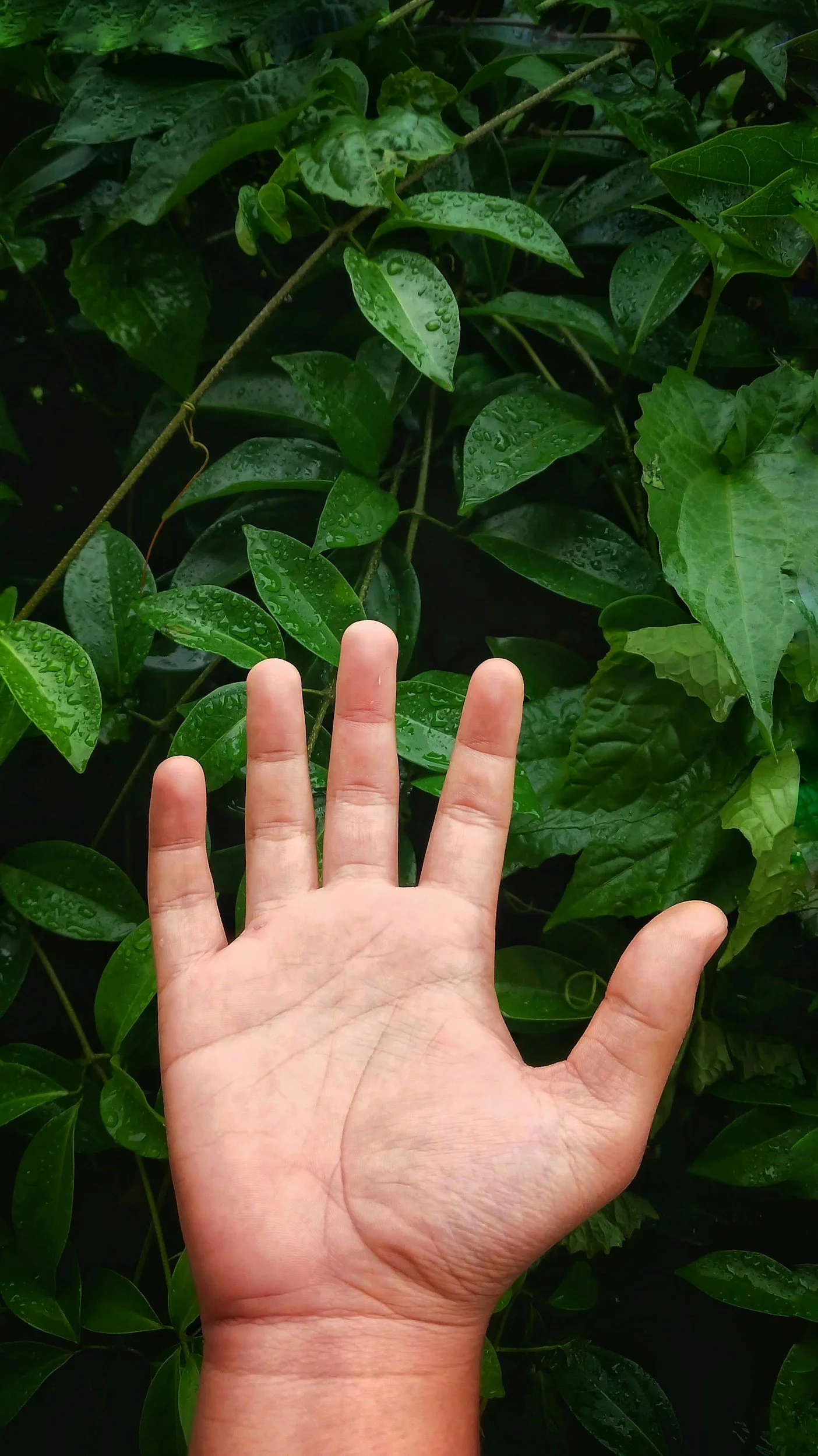
Life Line
Myth 1: The Life Line Predicts How Long You Will Live
The life line is perhaps the most persistent myth in palmistry and also the most anxiety-inducing. The idea that a short life line signals an early death has caused unnecessary worry for generations of curious palm-gazers. The truth is far more nuanced and far less alarming.
The life line does not measure the length of your life. It reflects the quality of it. A strong, deeply etched life line suggests robust vitality and enthusiasm, while a line that curves wide into the palm is traditionally associated with an adventurous, outgoing spirit.
A shorter or fainter line may point to a more cautious or introspective nature. What it does not do, under any interpretation, is serve as a countdown clock. Breathe easy.
Myth 2: A Short Head Line Means Low Intelligence
Few myths are as unfair as this one. The assumption that the length of the head line corresponds directly to intellectual capacity fundamentally misreads what this line is actually communicating.
A long head line stretching across the full width of the palm suggests broad, wide-ranging curiosity and a tendency toward deep reflection. A shorter head line, by contrast, points to a focused, decisive mind, one that cuts through complexity and reaches conclusions efficiently.
These are simply different cognitive styles, not a ranking of ability. In many high-pressure environments, that sharp, direct thinking is a genuine advantage.
Myth 3: Palm Reading Can Tell You Exactly What Will Happen in Your Future
This expectation, fuelled by film and fiction, sets palm reading up for a fall. People approach a reading hoping to hear the name of their future spouse, the year they will get their dream job, or a precise prediction about an upcoming challenge. When the palm reader cannot deliver these specifics, the whole practice gets dismissed as nonsense.
Palmistry has never been in the business of exact prophecy. It is better understood as a mirror for self-awareness. The lines, mounts and markings on your hand reflect tendencies, inclinations and patterns rather than fixed outcomes.
Think of it less like a weather forecast and more like a personality profile, one that can help you understand yourself more honestly and navigate life with greater intention.
Myth 4: Your Lines Never Change
Many people assume that the lines on their palm are fixed from birth, an immutable map laid down before they took their first breath. This is not the case.
The lines on your hands do evolve over time. They can deepen, fade, branch and shift as your life changes. A period of intense mental focus might strengthen the head line. Significant emotional events can leave their mark on the heart line.
This is one of the most compelling aspects of palmistry: it treats the hand as a living document, one that updates alongside you rather than sitting static as a permanent verdict on your character or fate.
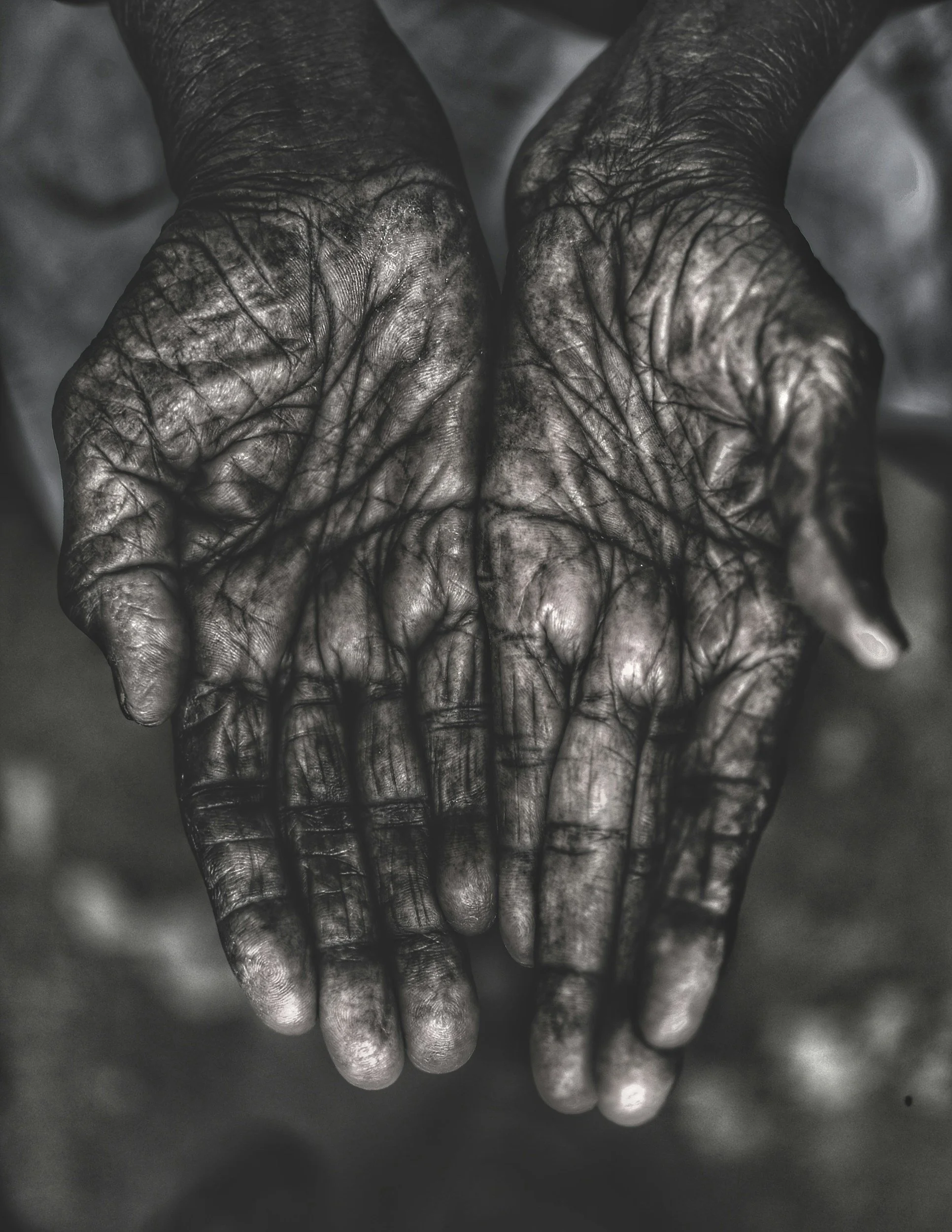
Myth 5: Everyone Has the Same Lines in the Same Places
Palm reading charts and diagrams can give the impression that every hand is laid out in a standard format, with identical lines appearing in identical positions. In reality, no two hands are alike.
Some people have a fate line running clearly up the centre of the palm. Others have none at all, which carries its own significance, often suggesting a life shaped more by personal choices than external forces. Some hands show minor lines like the sun line or Mercury line clearly, while others barely hint at them.
The absence of a line is never a cause for alarm. It is simply part of the unique story your hand is telling.
Myth 6: Only the Dominant Hand Matters
A common shortcut in pop-culture palm reading is to focus solely on the dominant hand, the one you write with, as though the other hand has nothing to say. This approach misses half the picture.
In palm reading, both hands matter and each speaks differently.
The dominant hand reflects your present and future, the life you are actively building through your choices and experiences. The non-dominant hand speaks to your past, your innate traits and the qualities you were born with.
Reading both together, and comparing the differences between them, reveals how far you have come from where you started and in what direction you are heading.
What Palm Reading Actually Is
Strip away the myths and what you find is a practice rooted in genuine human curiosity about the self. Palmistry, at its best, is a thoughtful framework for reflection. It invites you to consider your natural tendencies, your emotional patterns, your ways of thinking and your relationship with change.
It is a tradition, rich with history and symbolism, that people across cultures have found meaningful for thousands of years.
The biggest myth of all, perhaps, is that palmistry is simply about telling fortunes. It is really about your journey, the journey of who you are, how you think, what you feel and what you are capable of becoming. And that is a journey worth reading.
Happy reading.