
How Palm Lines Change Over Time?
How Palm Lines Change Over Time?
Most people assume that the lines on their palms are fixed from birth, permanent etchings that map out a life already written. But if you have spent any time exploring palmistry, you may have noticed something quietly surprising: your hands today do not look exactly the same as they did ten years ago. Lines that were once faint have deepened. New markings have appeared. Old ones have softened or shifted.
The truth is that palm lines do change over time and this is one of the most compelling and hopeful aspects of palmistry. Rather than presenting a fixed fate, your palms offer a living map, one that evolves alongside you. Here is what palmistry tells us about how and why those changes happen.
The Living Hand: Why Lines Are Not Set in Stone
From a purely physical standpoint, the skin on your palms is constantly changing. The deeper creases, the ones palmists call the major lines, are formed by the way you habitually flex and use your hands. As your posture, habits, health and emotional patterns shift over the years, those movements change too, and so, gradually, do the lines.
From a palmistry perspective, this is deeply significant. Traditional palmistry has always maintained that the lines of the hand reflect the inner life of the person, including their thoughts, emotions, energy levels and life choices. If those inner qualities transform, the lines will eventually follow. This is not a new idea. Ancient palm reading traditions across India, China, and Europe all acknowledged that the hand is not a photograph but a living document.
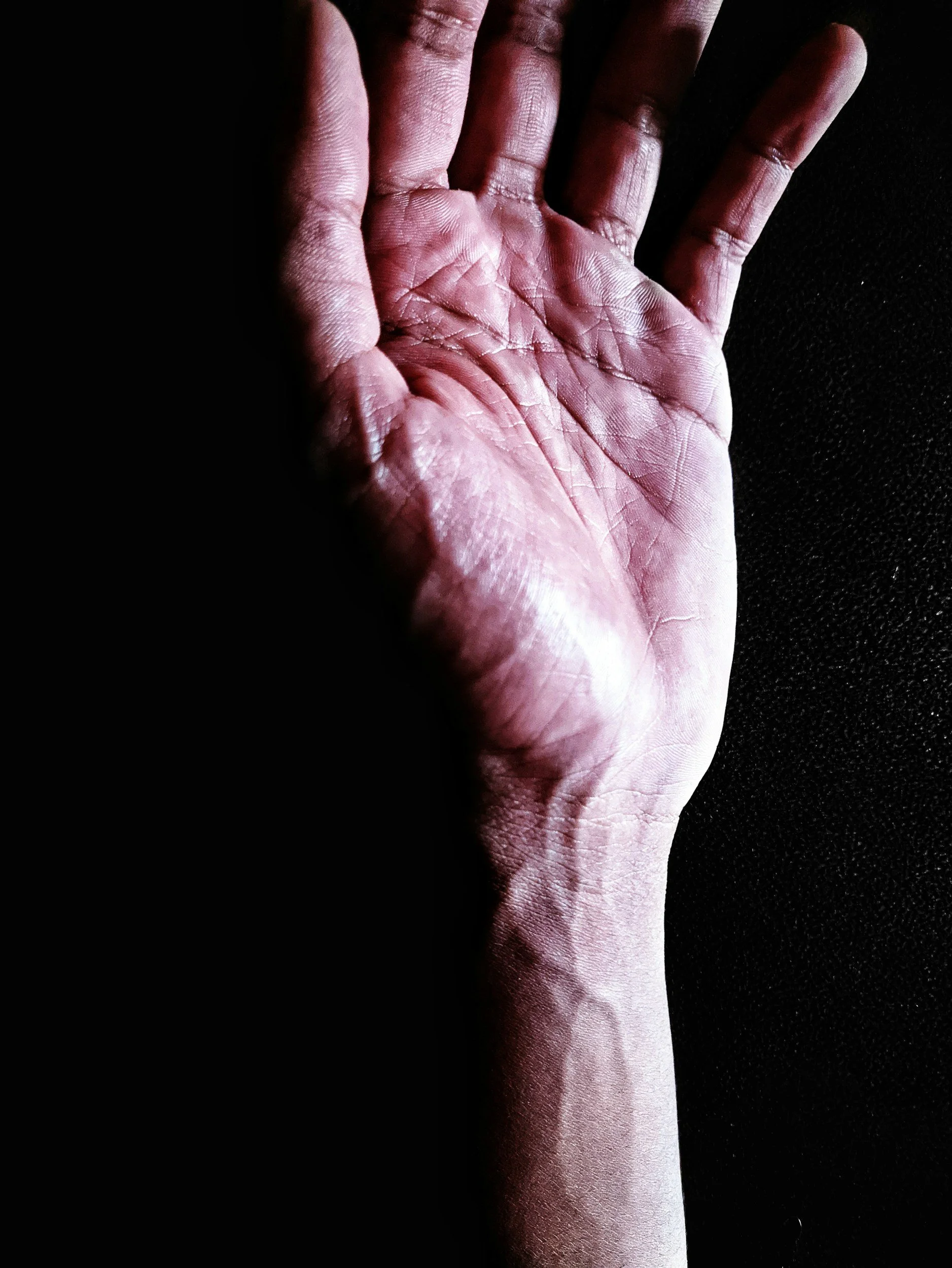
How Each Major Line Can Change
The heart line is perhaps the most emotionally responsive of all the major lines. Running across the upper palm, it governs love, relationships and emotional wellbeing. People who go through significant romantic changes, such as the end of a long relationship, falling deeply in love, or a period of grief, often notice shifts here. A line that was once straight and guarded may develop a gentle upward curve over time. Breaks that once indicated emotional difficulty can gradually smooth over as healing takes place.
The head line maps intellect, communication, and how you process the world. It is one of the lines most likely to change in response to personal growth. Someone who deliberately cultivates creativity after years of analytical work may find their previously straight head line developing a slight downward curve. Equally, a scattered thinker who builds discipline over time might notice their once faint head line becoming cleaner and more defined. The head line tends to respond to intentional change and rewards the work you put into developing your mind.
Contrary to the popular myth, the life line does not predict how long you will live. It reflects your vitality, energy, and the quality of your lived experience. Those who take up regular exercise, change their diet, or recover from a long illness often find that their life line deepens and extends. Conversely, periods of chronic stress or exhaustion can cause the line to appear more fragmented or faint. The life line is particularly responsive to physical health and lifestyle, making it perhaps the most bodily of all the major lines.
The fate line, that vertical line running up the centre of the palm, is perhaps the most dramatic example of a line that appears and disappears across a lifetime. Many people have no fate line in childhood, only to develop one as they find their vocation or sense of purpose in adulthood. Others see their fate line strengthen markedly after committing to a particular path. It can also fade during periods of uncertainty, drift, or transition. Think of it less as a line of destiny and more as a line of direction, one that grows stronger the more clearly you know where you are heading.
New Lines and Markings That Appear Over Time
Beyond the major lines, minor markings can appear on the palm throughout your life. The sun line, associated with creativity, recognition, and a sense of personal fulfilment, often becomes visible in later years, when a person steps more fully into their gifts. Marriage lines, those small horizontal marks beneath the little finger, have been observed to deepen around significant relationships. Even the mounts, the fleshy pads at the base of each finger, can develop and change in response to how you live and what you prioritise.
Upward branches rising from any of the major lines are considered especially positive in palmistry. They tend to appear after periods of growth, achievement, or breakthrough, and are seen as small but meaningful signs written directly into the hand.
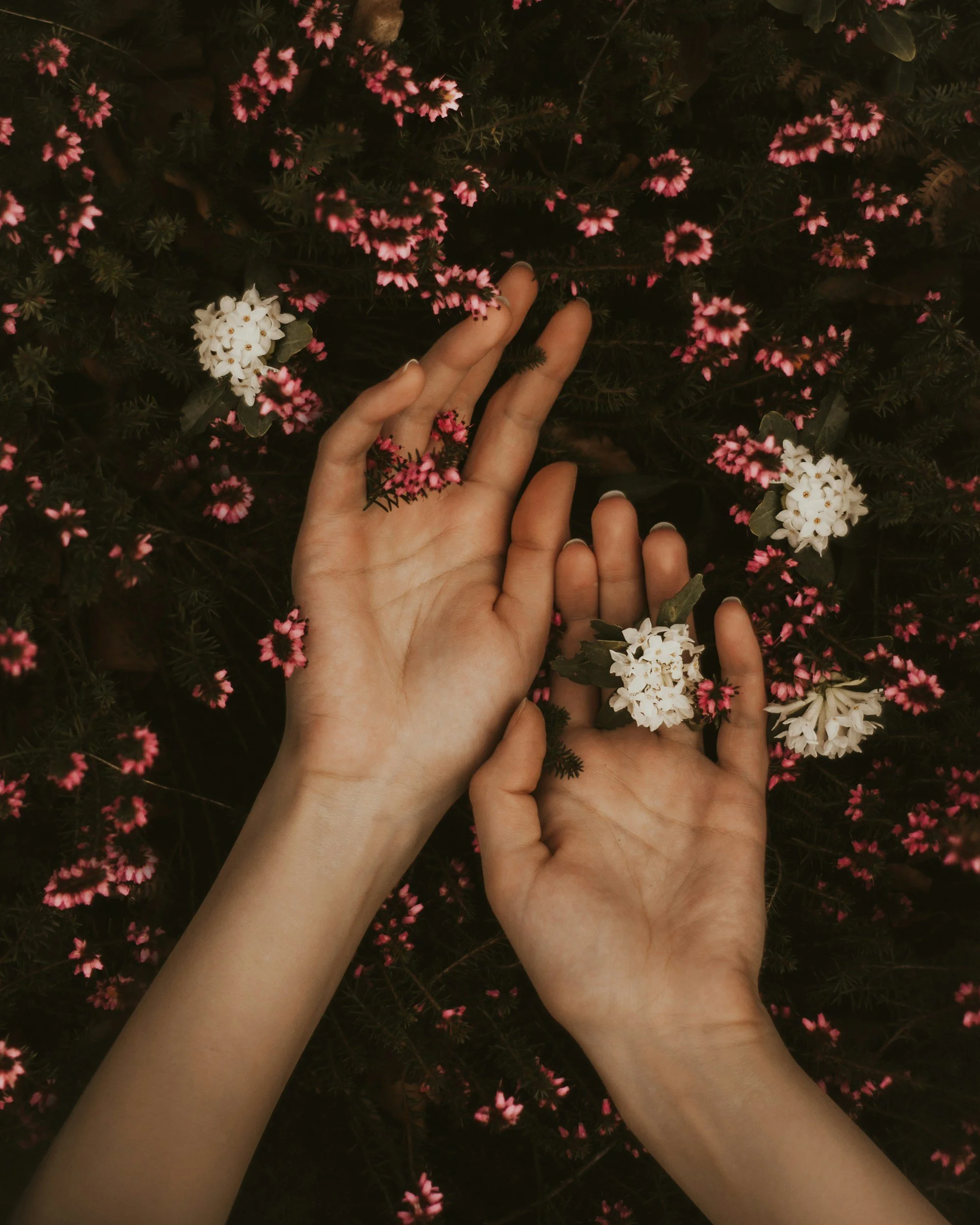
Can You Change Your Lines Intentionally?
This is one of the most fascinating questions in palmistry, and the answer, according to many experienced palm readers, is yes. Not through any kind of forced effort, but through genuine inner transformation. The lines of the hand are understood to reflect who you truly are at any given point in your life. When that changes at a deep level, the hands quietly follow.
Emotional shifts tend to show up first in the heart line. Someone who has spent years building emotional walls may find, after a period of therapy, self-work, or simply the softening that comes with time, that their heart line takes on a warmer, more open quality. The line may lengthen slightly, develop an upward curve, or lose some of the breaks and islands that once marked periods of pain.
Mindset shifts tend to register in the head line. If you consciously work to move from rigid thinking toward greater openness and creativity, or from scattered thinking toward clarity and focus, you may notice your head line gradually reflecting that change. This does not happen overnight. Palm lines respond to sustained, genuine shifts in how you habitually think and feel, not passing moods.
The key word is authenticity. Palmistry suggests that you cannot will your lines to change. But when you do the real inner work, when you genuinely let go of old patterns, open your heart, or commit to a new way of thinking, your hands begin to tell a different story. In this sense, working on yourself is the most direct route to changing what is written in your palm.
How to Track Changes in Your Own Palms
One of the most rewarding practices in palmistry is keeping a palm journal. Every few months, trace or photograph both hands and note any changes, such as lines that have deepened, faded, extended or newly appeared. Compare these observations with what was happening in your life at the time. Over the years, this simple practice can reveal extraordinary patterns, showing you not only how your hands have changed, but how you have changed alongside them.
It is worth examining both hands. The dominant hand tends to show how your present choices and actions are shaping your future, while the other hand holds the record of your natural tendencies and past. The difference between the two is often where the most revealing story lives.
A Map That Grows With You
Perhaps the most empowering insight palmistry offers is this: you are not a fixed thing. The lines on your hands are not a verdict handed down at birth. They are a record of a life in progress.
So the next time you look down at your palm, do not ask what it predicts. Ask what it reflects. Because the most interesting story your hands will ever tell is the one still being written.