
How to Deal With Stress: Practical, Simple Ways That Can Actually Help.
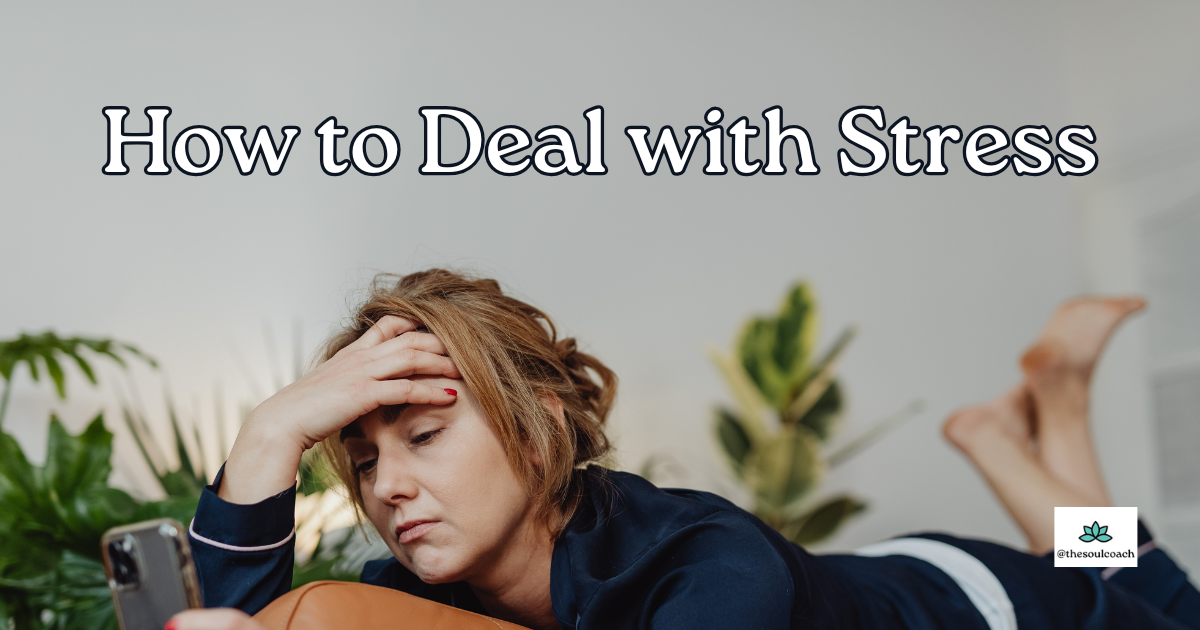
Stress is part of being human. The problem is not that it shows up, but that it often runs the show without us noticing. We snap, shut down, overeat, skip meals, scroll endlessly, or lie awake replaying the same thoughts.
The good news is that stress can be worked with in simple, grounded ways. You do not need a perfect routine or a calm personality. You need awareness, a few tools, and some kindness toward yourself.
Below are practical ways to deal with stress that you can use in real life, even on busy or overwhelming days.
Catch yourself when you are stressed
The first step is noticing. This sounds obvious, but most stress operates on autopilot. You might only realise you were stressed after the argument, the headache, or the emotional crash.
Start learning your early signs. These are personal, but common ones include a tight jaw, shallow breathing, a racing mind, irritability, or the urge to rush. Some people notice it first in their bodies, others in their thoughts.
I personally start rushing around saying, “I haven't got enough time”, or " I'm under pressure” and I get snappy, my heart beats way too fast, and I get really irritable.
When this happened to me the other day, I realised I hadn't eaten or drunk enough water and. I expected way too much of myself, trying to fit a couple of days' work into one afternoon. I realised what happened and will work on my time management and make sure I drink regularly.
When you catch it, pause and name it. You can silently say, “I am stressed right now.” That simple sentence creates a small gap between you and the stress. You are no longer just reacting. You are observing.
This is not about judging yourself or trying to fix anything immediately. It is about awareness. You cannot change what you do not see. Knowing and acting on this has helped me enormously.
Observe what is actually taking place
Once you notice stress, slow it down by observing what is happening. Ask yourself a few simple questions.
What is going on around me right now?
What am I telling myself about this situation?
What is happening in my body?
Try to stick to facts rather than stories. For example, “I have three emails to answer, and my chest feels tight,” is more useful than “I am failing, and everything is too much.”
Stress often comes from interpretation, not just circumstances. By observing instead of reacting, you reduce the intensity. You also give your nervous system a signal that you are paying attention, which in itself can be calming. Sometimes I will take myself outside for some fresh air and a quick walk around the block.
Ask what you actually need
Stress is often a signal. It is your system saying something needs attention.
Once you notice and observe, ask, “What do I need right now?” Keep the answer simple and realistic. You might need water, a short break, reassurance, movement, food, rest, or clearer boundaries.
The mistake many people make is jumping to big solutions when a small one would help. You do not always need a life overhaul. Sometimes you need to stand up, stretch, drink a glass of water, or step outside for two minutes.
Meeting a small need in the moment can prevent stress from building into something bigger.
Look for the lesson without forcing it
Not every stressful moment needs to become a life lesson. However, recurring stress often has something to teach.
When things calm down, reflect gently. Ask yourself, “What is this situation showing me?” It might point to overcommitment, unclear communication, lack of rest, or ignoring your own limits.
The key is curiosity, not blame. Stress is not proof that you are doing something wrong. It is information. If you treat it as feedback instead of failure, it becomes easier to adjust your behaviour going forward.
Pay attention to food and drink
What you consume directly affects your stress levels. When stressed, many people skip meals, rely on caffeine, or reach for sugar. This can create blood sugar spikes and crashes that make stress feel worse.
Aim for regular meals with some protein, healthy fats, and fibre. You do not need perfection. Even a simple snack can help stabilise your mood and energy.
Hydration matters more than most people realise. Dehydration can increase fatigue, tension, and irritability. If you feel stressed, drink a glass of water before assuming it is something else.
Be mindful of caffeine and alcohol. Both can amplify anxiety and disrupt sleep, which makes stress harder to manage the next day.
Use breathing to calm your nervous system
Breathing is one of the fastest ways to influence stress because it speaks directly to your nervous system.
When stressed, breathing often becomes shallow and fast. You can reverse this by slowing it down. Try this simple practice anywhere.
Inhale through your nose for a count of four.
Pause briefly.
Exhale slowly through your mouth for a count of six.
Repeat this for one to three minutes. Longer exhales tell your body that it is safe to relax. You do not need to empty your mind or do it perfectly. Just breathe.
This is especially helpful before responding to a stressful message or situation.
Meditation can be helpful too , the Soul Space app is a great little pocket tool for when you need reminding to simply breathe and take a moment.
Keep it simple and kind
Managing stress is not about eliminating it. It is about responding differently when it shows up. Catch it early. Observe without judgment. Meet a basic need. Breathe. Eat. Drink water. Learn what you can.
Most importantly, be kind to yourself. Stress does not mean you are weak or failing. It means you are human in a demanding world. Small, consistent steps done with awareness can make a real difference to you