
If you're lying awake at night, or waking up tired after a full night in bed, your bedroom may be part of the reason. The way your room is arranged, what's stored in it and how the energy feels in the space all affect how easily you switch off. A few simple Feng Shui changes can help your bedroom feel calmer, safer and more restful, so your body finds it easier to let go at the end of the day.
When you're busy or anxious, sleep is often the first thing to suffer. You might put it down to stress, your phone or a busy mind, and those all play a part. Your bedroom plays a part too. It's the room you spend the most time in, and it's the one place where your body needs to feel safe enough to fully rest.
How your bedroom affects your sleep
Feng shui looks at how energy (often called chi) moves through your home and how that energy affects the way you feel. You can read more about the basics in our introduction to feng shui and energy clearing. In the bedroom, the aim is calm, steady energy that helps you slow down. When a room is busy, cluttered or arranged awkwardly, your mind stays a little more alert than it needs to, even if you don't notice it during the day.
Practical sleep advice points in the same direction. The Sleep Charity recommends a bedroom of around 16 to 18°C that's dark and quiet, and notes that a messy, cluttered bedroom has been linked with poorer sleep and higher anxiety. Whether you look at it through feng shui or through sleep science, a simple, comfortable room helps you rest.

Common reasons your bedroom isn't helping you sleep
Most bedroom problems are small and easy to change once you know what to look for. These are the ones I see most often when I visit clients' homes.
Your bed isn't in a supported position
In feng shui, the best place for your bed is called the commanding position. This means you can see the door from your bed without lying directly in line with it. Your headboard should rest against a solid wall, ideally one without a window behind it. When your bed sits in the path of the door, or floats in the middle of the room, your body stays slightly on guard. Moving the bed so you feel supported and can see who's coming in often makes a real difference to how settled you feel.
There's too much going on
Piles of clothes, paperwork, laundry baskets and storage under the bed all hold energy in the room. Clutter under the bed matters most because you're lying directly above it for hours every night. If you need under-bed storage, keep it to soft, calm items such as spare bedding, and keep it tidy.
Work in the bedroom has a similar effect. A desk, laptop or pile of bills reminds you of everything you still need to do. If you can, move them to another room. If you can't, cover them or tuck them out of sight in the evening.
Screens and electronics stay switched on
Phones, televisions and tablets bring bright light and busy energy into a room that's meant for rest. The light from screens can also make it harder for your body to feel ready for sleep. Try charging your phone outside the bedroom, or at least away from your bedside table, and switch off what you can at the wall.
Mirrors face the bed
In feng shui, a mirror that reflects you while you sleep is thought to bounce energy around the room and keep it active. You might also catch movement in it out of the corner of your eye. Moving the mirror, or covering it at night, is a simple change to try.
The colours and lighting are too bright
Strong reds, bright whites and harsh overhead lights all keep energy high. Softer, warmer shades (gentle earth tones, soft greens, pale pinks or warm neutrals) feel more restful. Bedside lamps with warm bulbs help your body wind down in the evening far more than a single bright ceiling light.
Clearing the energy in your bedroom
Sometimes you can tidy and rearrange and still find the room feels heavy. This often happens after a difficult period, an illness, an argument or a change in your relationship. The energy of those experiences can stay in a space long after the event has passed, and that's when energy clearing helps.
A simple bedroom clearing might include:
opening the windows for ten minutes to let fresh air move through
clapping gently or ringing a bell in each corner, where energy tends to settle
washing or changing your bedding, including pillows and throws
setting a clear intention for the room, such as "this is a space where I rest and feel safe"
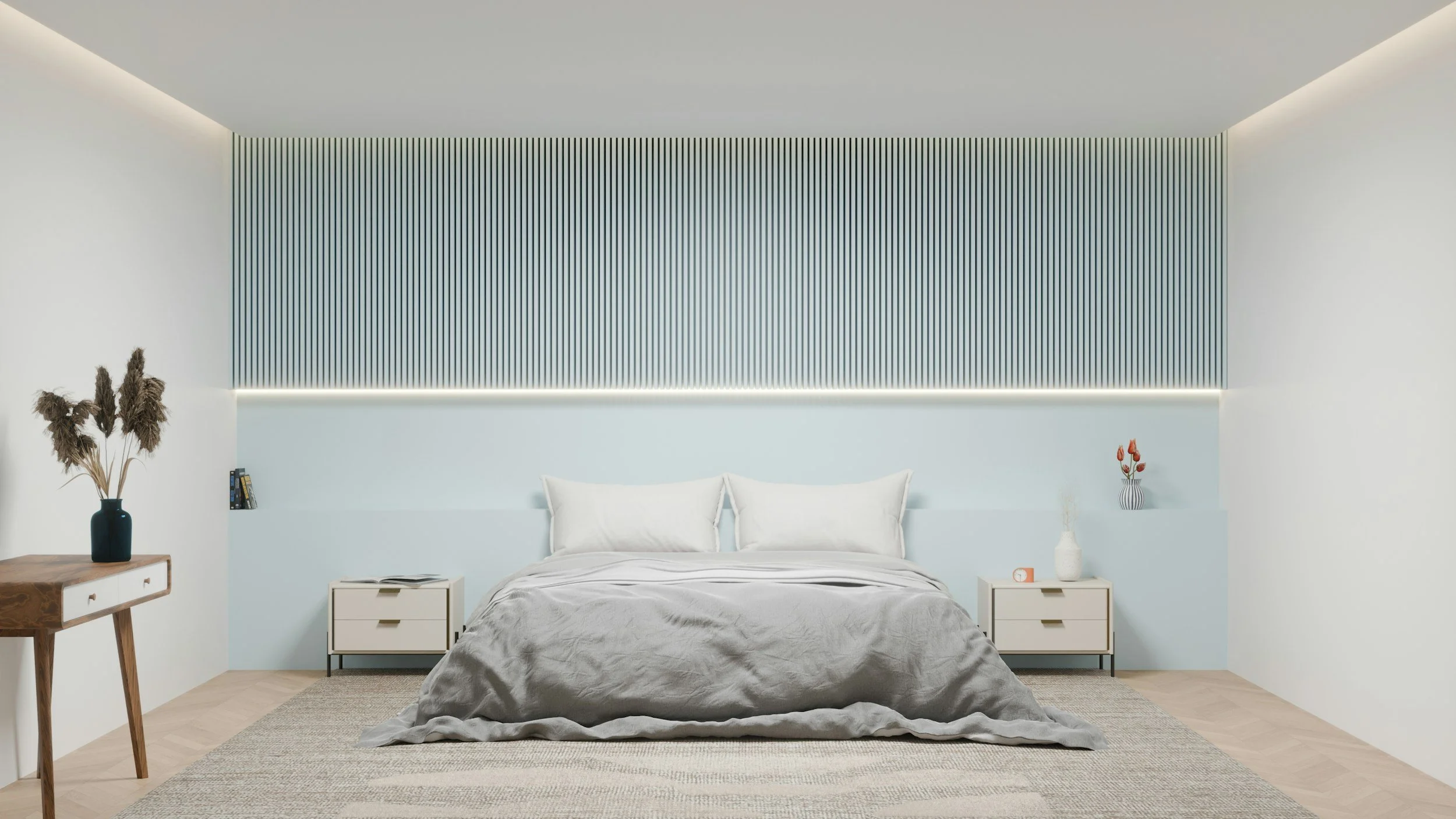
In Reiki we come back to the idea of "just for today". Just for today, you don't have to change the whole room. Choosing one small change and noticing how you feel the next morning is enough to begin.
What happens if you leave it
Poor sleep tends to build on itself. When you're tired, everything feels harder, and it becomes more difficult to find the energy to make changes at home. A bedroom that keeps you slightly alert night after night adds to the stress you're already carrying. Making changes sooner gives your body a better chance to settle, and you'll often feel the difference within a few nights.
Getting support with your bedroom
You don't have to work all of this out on your own. If you've tried the simple changes and your bedroom still doesn't feel restful, a feng shui consultation can help you see what's happening in your space and what to change first. I'll look at your layout, the energy in the room and how you're using it, and give you clear, practical steps that suit your home and your life.
If you'd like help creating a bedroom that supports your sleep, get in touch to book a consultation. Your bedroom can become a place where you feel calm, safe and ready to rest.
With love, Carolina x