
Reiki for sleep: how energy work supports rest
Reiki for sleep: how energy work supports deeper rest
If you’re lying awake most nights with a restless mind, tight chest or feeling anxiety that refuses to switch off, you’re far from alone. Poor sleep is rarely just about being tired. It’s usually bound up with stress, emotional weight and a nervous system that’s forgotten how to settle. Reiki works directly with all of that.
What’s actually happening when you can’t sleep
Most sleep difficulties come down to one thing: your nervous system is stuck in a state of alertness. The sympathetic nervous system, which handles the body’s threat response, stays switched on when it should be handing over to the parasympathetic system, the part responsible for rest, digestion and repair. When that handover doesn’t happen, your heart rate stays elevated, your thoughts keep circling and sleep stays just out of reach.
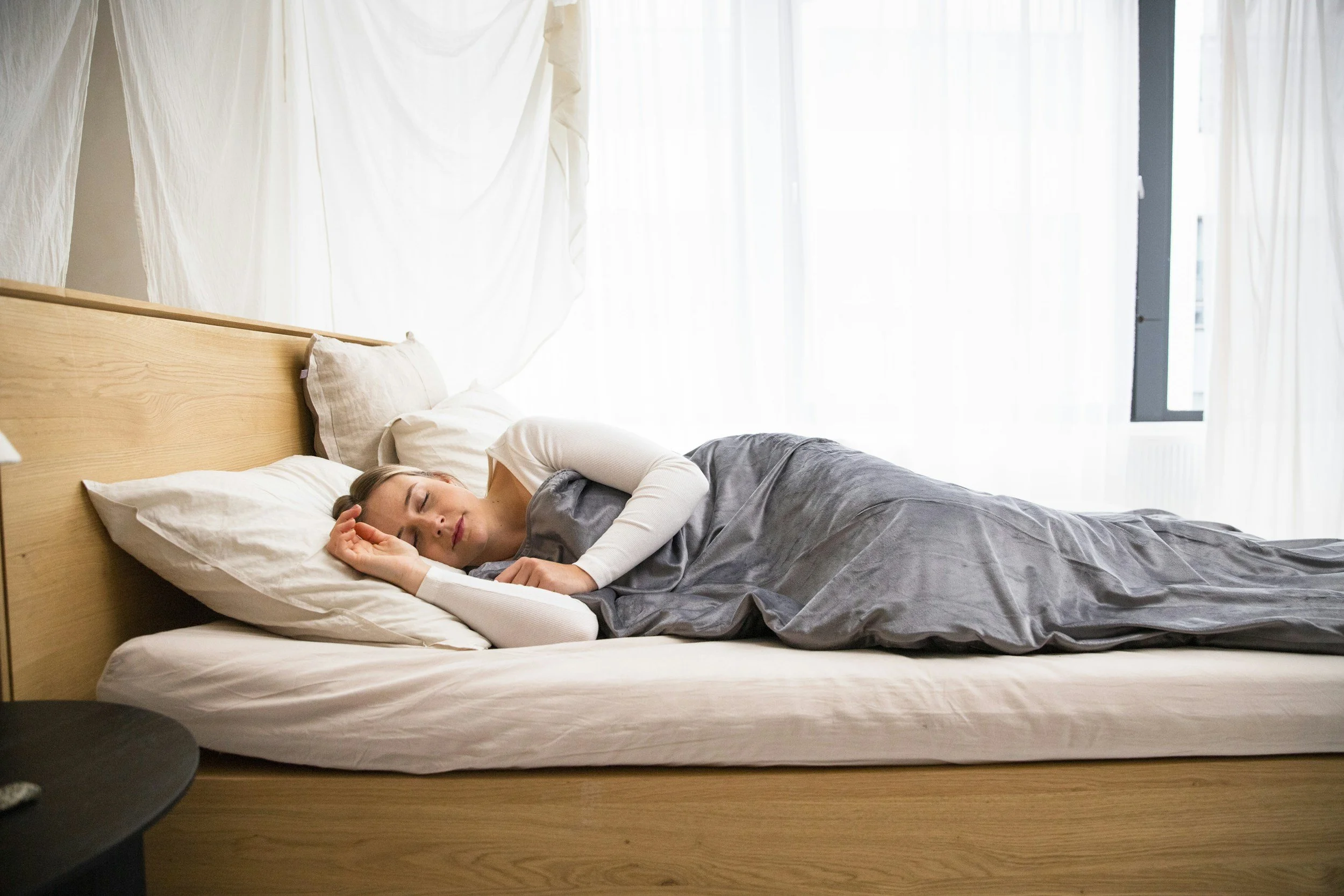
Reiki works with this directly. Rather than sedating you or masking the problem, it encourages the body to shift out of that high-alert state naturally. Reiki stimulates the parasympathetic nervous system, which lowers cortisol levels, slows the heart rate and calms the mind. That shift is the foundation everything else rests on.
How a session supports rest
During a Reiki treatment, the practitioner places their hands on or just above specific areas of the body, working through a series of positions. You remain fully clothed, lying down, in a calm environment. There’s nothing you need to do. Most people begin to relax deeply within the first few minutes, and it’s not unusual to fall asleep on the treatment table. In a 2022 survey by the International Center for Reiki Training, over 60% of clients reported falling asleep during Reiki sessions, including those with chronic sleep problems.
The session works on several levels at once. Physically, it encourages the relaxation response, the opposite state to fight-or-flight. Research suggests Reiki can effectively elicit this response, with measurable decreases in heart rate and blood pressure. Mentally, it helps quiet the loop of overthinking that tends to intensify when the lights go out. Reiki can slow brainwave activity, moving the mind from high-alert beta waves into the relaxed alpha and theta states associated with deep rest and meditation.

The connection between energy and sleep
To understand why Reiki helps with sleep, it helps to know a little about what Reiki is working with. The practice is built on the principle that life force energy (called Ki) flows through the body, and that disruptions or imbalances in that flow affect how we feel, function and rest.
When you’re under sustained stress, that energy can become blocked or stagnant, particularly around the head and heart. Energetically, these are the areas most involved in overthinking and emotional tension, both of which sit at the root of many sleep problems. A practitioner works to clear and rebalance those areas, creating the conditions for genuine rest rather than the shallow, fitful sleep that often follows an exhausting day.
What the research shows
The evidence base for Reiki and sleep is growing steadily. A randomised controlled trial published in the Journal of Clinical Oncology found that four weeks of Reiki significantly improved sleep quality in patients with breast and prostate cancer receiving hormone therapy, outperforming massage therapy in clinically meaningful outcomes.
Separate research published on PubMed looked at nursing professionals, a group under considerable sustained pressure. After six weekly Reiki sessions, participants showed better sleep quality, including reduced time to fall asleep, fewer nightmares and an increase in overall sleeping hours.
A review published in Frontiers in Psychology found that Reiki consistently offers better therapeutic effects than a placebo for certain mental health symptoms, with particular benefit for stress, depression and anxiety — three of the most common contributors to disrupted sleep.
It’s worth noting that Reiki isn’t a replacement for medical support if you have a diagnosed sleep disorder or an underlying health condition that’s affecting your rest. It works best as part of a broader approach to wellbeing. But for the kind of sleeplessness that comes from a mind that won’t quieten down, it can make a real and noticeable difference.
Building it into a routine
You don’t need to wait until your sleep is severely disrupted to benefit from Reiki. Many people find that regular sessions, even monthly, help maintain a calmer baseline that makes it easier to wind down each evening.
If you’ve learned Reiki yourself, a short self-treatment before bed is one of the most effective ways to use it. Resting your hands gently on your head or heart for ten minutes at night, without a formal structure, can consistently relieve stress and support sound sleep. You don’t need to do it perfectly. Intention and presence are what matter.
Combining Reiki with other supportive habits, a consistent bedtime, limiting screen use in the evening, some gentle movement during the day, tends to produce the most sustained results. Reiki works well alongside these things rather than instead of them.
Ready to experience deeper rest
If disrupted sleep is affecting your daily life, a Reiki session is a calm, gentle and practical place to start. Whether you’re dealing with anxiety, a busy mind or the kind of exhaustion that sleep doesn’t seem to touch, Reiki can help your body remember how to rest.
Explore my Reiki healing sessions.