
Estrogen, Menopause & the Power of Food
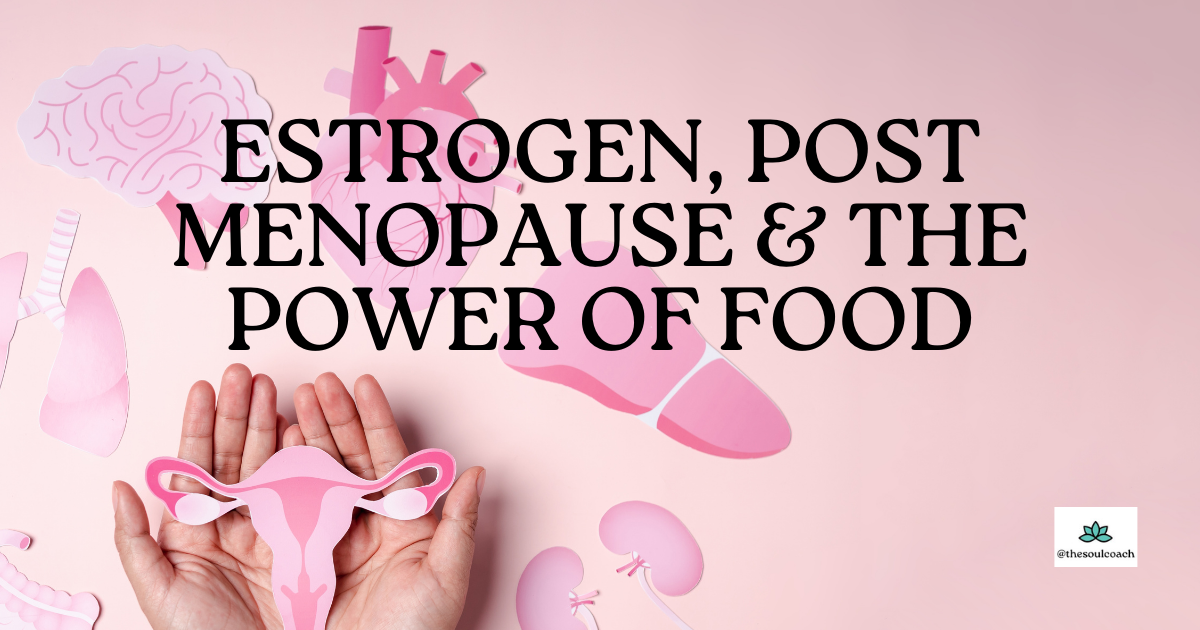
Supporting the Body Gently Through Midlife and Beyond
I’m writing this because menopause doesn’t end when our periods stop and that matters.
I recently learned something new after listening to an Instagram post by @doctormirkhan, who was talking about estrogen and how it continues to affect women after menopause. It sparked my curiosity, so I did some research of my own and felt called to share it.
Understanding estrogen, and how to support the body gently, can make a real difference, especially in the years that follow.
For most of our lives, estrogen works quietly in the background. It regulates our menstrual cycle, protects our bones and brain, supports mood and memory, keeps skin plump and resilient, and maintains the health of our pelvic and vaginal tissues. We don’t tend to think much about it, until it starts to change.
Enter perimenopause and menopause.
Suddenly, things feel different. Hot flushes arrive uninvited. Sleep becomes disrupted. Moods fluctuate. Brain fog appears. Joints ache. Weight redistributes. And at the centre of much of this shift is one key hormone: estrogen.
You may think Menopause is a failure of the body but It’s only a transition but one that deserves understanding, compassion, and support. And while Hormone Replacement Therapy (HRT) can be a brilliant option for many women, it’s not the only way to support ourselves through this stage of life.
Food, movement, awareness, and nervous-system care can make a meaningful difference, especially over the long term.
What Is Estrogen — and Why Does It Matter So Much?
Estrogen isn’t just one hormone; it’s a group of hormones, mainly:
• Estradiol (dominant during reproductive years)
• Estrone (more prominent after menopause)
• Estriol (important during pregnancy)
Estrogen supports:
• Bone density
• Cardiovascular health
• Brain function and memory
• Mood and emotional regulation
• Skin thickness and elasticity
• Vaginal, bladder, and pelvic tissue health
During perimenopause, estrogen doesn’t decline smoothly. It fluctuates, sometimes dramatically, which explains why symptoms can feel unpredictable. By menopause (defined as 12 months without a period), estrogen levels are lower and more stable, but at a new baseline.
And importantly, the effects of estrogen loss continue long after menopause itself.
A Personal Note From Me
I want to share something personal, because I know many women will recognise themselves in this.
I personally chose not to go down the HRT route. At the time, that felt right for me. Instead, I used acupuncture to support myself through menopause, and it helped enormously. It supported my nervous system, eased the intensity of symptoms, and helped my body find balance during a big transition.
However and this is something we don’t talk about enough menopause doesn’t end when your periods stop.
Now, around eight years on, I’m noticing different changes. When I need a wee, I really need a wee. There’s occasional vaginal soreness and dryness, and my skin doesn’t feel as plump or resilient as it once did. None of this arrived dramatically, it crept in quietly.
This is the longer arc of estrogen decline, particularly its role in urogenital health, collagen production, hydration, and tissue strength. It’s a reminder that hormone support isn’t a one-time decision, it’s an ongoing relationship with the body.
For me, this is where nutrition, awareness, gentle practices, and informed choices become essential. Not from fear, but from listening.
Phytoestrogens: Nature’s Gentle Support
Some foods contain compounds called phytoestrogens, plant-based substances that gently interact with estrogen receptors in the body.
They are far weaker than human estrogen and don’t “override” hormones. Instead, they offer subtle, supportive balance, which can be especially helpful post-menopause.
Research suggests phytoestrogens may help with:
• Hot flushes and night sweats
• Vaginal dryness
• Bone and heart health
• Cholesterol balance
Estrogen-Supporting Foods to Include Regularly
Soy (The Most Researched)
Whole, organic soy foods contain isoflavones, the most studied phytoestrogens.
Good options include:
• Tofu
• Tempeh
• Miso
• Edamame
• Organic soy milk
Fermented soy (miso and tempeh) is particularly supportive for gut health — and gut health plays a key role in hormone regulation.
Flaxseeds
Small but powerful. Flaxseeds are rich in lignans, which support estrogen balance and gut health.
Best eaten freshly ground.
Aim for 1–2 tablespoons daily.
Sesame Seeds
Another lignan-rich food that supports hormone metabolism and tissue health. Tahini is an easy, nourishing addition.
Legumes
Chickpeas, lentils, and beans provide gentle phytoestrogen support alongside protein and fibre — essential for muscle tone and pelvic health.
Supporting Vaginal, Bladder & Skin Health
Estrogen plays a vital role in maintaining collagen, hydration, and elasticity. As levels decline, tissues can become thinner and drier.
To support this:
Healthy Fats
Hormones are made from cholesterol, and skin loves fat.
• Avocado
• Olive oil
• Nuts and seeds
• Oily fish (salmon, sardines, mackerel)
Collagen-Supporting Foods
• Bone broth
• Eggs
• Leafy greens
• Berries (rich in vitamin C for collagen production)
Hydration
Steady hydration throughout the day supports bladder comfort and vaginal tissue health. Small, regular sips are more effective than drinking large amounts at once.
Supporting the body after menopause is an ongoing process, and hydration and nourishment are just the beginning.
In my next blog, I’ll share further ways to support ourselves post-menopause, with a focus on pelvic health and gentle, practical approaches that can make a real difference day to day.
**This blog is for information and educational purposes only and is not intended as medical advice.