
Supporting the Body After Menopause: Pelvic Health, Awareness & Gentle Practices
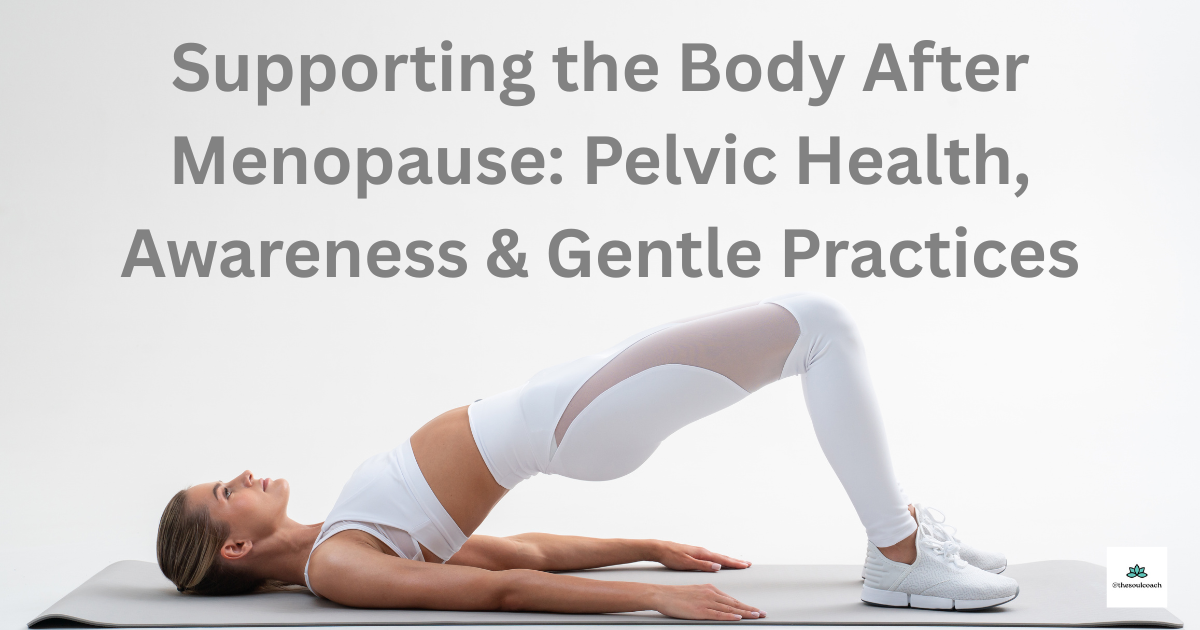
Continuing the theme of post-menopause and what we can do to support our bodies, this second blog explores another area that often changes quietly as estrogen levels decline: pelvic health.
Many women notice subtle shifts years after menopause. Perhaps a little urgency when needing the loo, some pelvic discomfort, or a feeling that the body simply isn’t quite as supported as it once was.
These changes are extremely common, yet they’re rarely talked about openly.
Estrogen plays an important role in maintaining the strength, elasticity, and hydration of tissues throughout the pelvis including the bladder, urethra and vaginal walls. As estrogen levels decline after menopause, these tissues can become thinner and more sensitive.
The good news is that there are gentle, practical ways we can support the body during this stage of life.
Pelvic Floor: Strength, Tone & Awareness
The pelvic floor is a group of muscles that sit like a supportive hammock at the base of the pelvis. These muscles support the bladder, bowel and uterus and play an important role in bladder control and overall core stability.
Because estrogen supports muscle tone and tissue strength, the pelvic floor can weaken slightly after menopause. This can sometimes lead to symptoms such as bladder urgency, occasional leaks, or a feeling of reduced support in the pelvic area.
Pelvic floor work isn’t about gripping or forcing the muscles. In fact, many women unknowingly hold tension in this area.
Instead, pelvic health is about connection, awareness, and balance between strength and relaxation.
A Simple Daily Pelvic Floor Practice
You can practise this gentle exercise anywhere.
Sit or lie comfortably.
Take a slow inhale and imagine your pelvic floor softening and widening.
As you exhale, lightly lift the pelvic floor as if lifting a silk scarf.
Hold the lift for around three seconds.
Fully relax and soften.
Repeat this 8–10 times, once or twice a day.
💡 The relaxation phase is just as important as the lift. Healthy pelvic muscles need both strength and the ability to release.
Walking, gentle yoga, Pilates, and mindful movement also help support pelvic health particularly when combined with slow, steady breathing.
Bladder Health After Menopause
Many women notice changes in their bladder after menopause. You may find that when you need a wee, you really need a wee.
This urgency is very common and often linked to declining estrogen levels, which affect the tissues of the bladder and urethra.
Estrogen helps maintain the strength and elasticity of these tissues. As levels fall, the bladder may become slightly more sensitive, and the pelvic floor may not respond quite as quickly as it once did.
Simple habits can help support bladder comfort:
• Staying well hydrated throughout the day
• Reducing excessive caffeine if it irritates the bladder
• Supporting pelvic floor strength and relaxation
• Practising slow breathing when urgency arises
Most importantly, these changes are normal and nothing to feel embarrassed about. They are simply part of the body adapting to a new hormonal phase.
Supporting Vaginal Tissue Health
Estrogen also plays a key role in maintaining the moisture, thickness and elasticity of vaginal tissues.
After menopause, some women experience dryness, soreness or increased sensitivity. This is sometimes referred to medically as genitourinary syndrome of menopause, although the experience itself is very common.
Supporting the body can include:
• Maintaining good hydration
• Eating healthy fats such as olive oil, nuts, seeds, and oily fish
• Gentle pelvic floor exercises
• Movement that supports circulation in the pelvis
Open conversations with healthcare professionals can also be helpful if symptoms become uncomfortable. There are many supportive options available.
Movement That Supports Pelvic Health
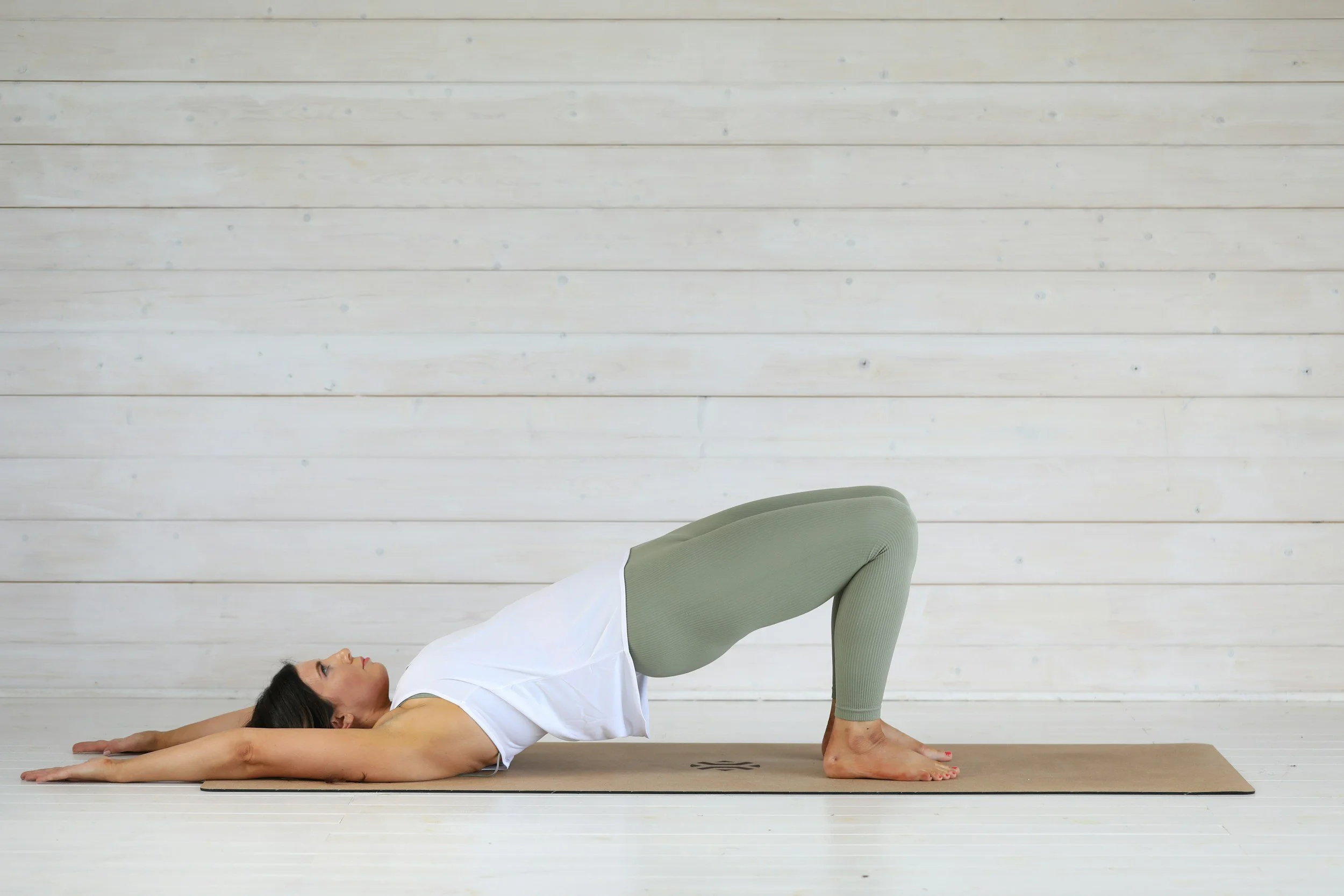
Movement is one of the simplest and most powerful ways to support the pelvis.
Activities that encourage circulation and gentle muscular engagement help maintain strength and responsiveness in the pelvic region.
Helpful practices include:
• Walking regularly
• Yoga and stretching
• Pilates or core stability exercises
• Gentle hip and lower back mobility
The goal isn’t intensity. It’s consistency.
Small, regular movement signals to the body that the muscles and tissues are still needed and supported.
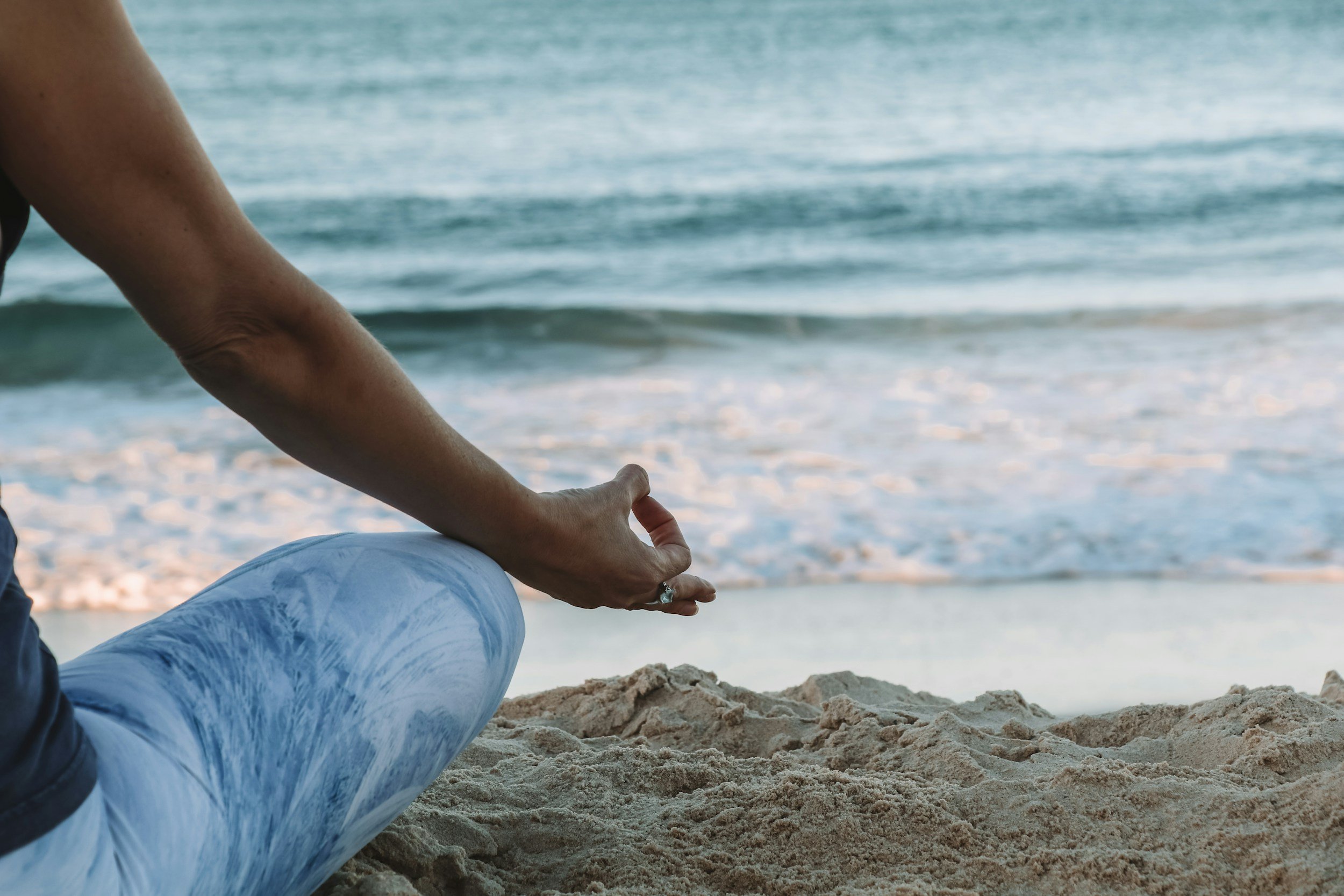
Healing Through Meditation & Nervous System Support
Hormones do not operate in isolation. They respond closely to the nervous system and to stress levels in the body.
When we experience ongoing stress, the body produces more cortisol, which can increase inflammation and muscle tension, including in the pelvic floor.
Meditation doesn’t directly change estrogen levels, but it creates the internal conditions in which healing and balance are more possible. I created these 21 Guided Meditations to help calm our nervous system.
When the body feels safe:
• Muscles soften
• Blood flow improves
• Tissue nourishment increases
• Inflammation reduces
A Short Pelvic & Hormone Meditation
Place one hand on your lower belly and one on your heart.
Close your eyes and breathe slowly.
As you breathe in imagine warmth and nourishment flowing into your pelvis.
As you breathe out, soften any holding or tension in that area.
Silently repeat:
“My body knows how to support me.”
“I listen. I respond. I nourish.”
Even five minutes of stillness can begin to shift how the body feels and how we relate to it.
A Living Conversation With the Body
Supporting the body after menopause isn’t about reversing time or fixing what has changed. It’s about responding wisely to what the body needs now.
Pelvic health, nourishment, movement, rest, breath and awareness all work together to support wellbeing in this stage of life.
Your body isn’t failing you. It’s adapting.
And when we respond with patience, curiosity, and care, something subtle but powerful happens, we begin to feel at home in our bodies once again.
**This blog is for information and educational purposes only and is not intended as medical advice.