
How to Read Palms: A Beginner’s Guide to palmistry.
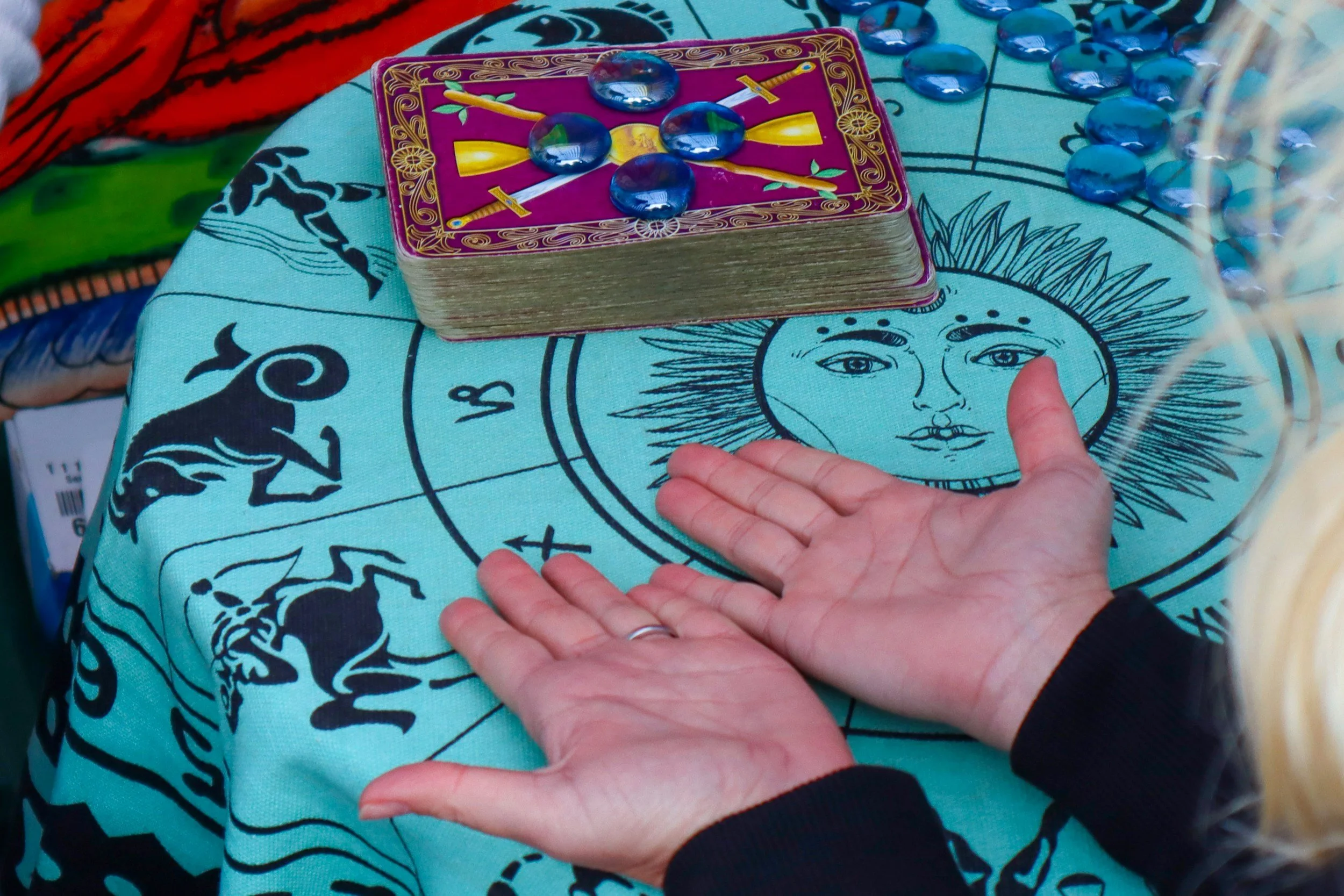
Have you ever looked down at your palm and wondered what all those lines and curves might mean? You're not alone.
For thousands of years, people across the world have turned to palmistry — the ancient art of palm reading — to seek insight into personality, relationships, and the path ahead.
Whether you're approaching it as a spiritual practice, a fascinating cultural tradition, or simply a fun party trick, this palm reading for beginners guide will give you everything you need to get started.
In this complete introduction to palmistry, we'll cover how to read palms step by step, explore the key palmistry lines and their meanings, and walk you through a beginner hand reading guide that you can start using today.
What Is Palmistry? A Brief History
Palmistry — also known as chiromancy or hand reading — is the practice of interpreting the lines, shapes, and features of the hand to gain insight into a person's character and life. It is one of the oldest forms of divination in the world, with roots stretching back over 5,000 years.
The practice is believed to have originated in ancient India, where it was part of the Vedic tradition and closely tied to astrology and Ayurveda. From India, palmistry spread to China, Tibet, Egypt, Persia, and eventually ancient Greece, where the philosopher Aristotle wrote about it in his works. By the Middle Ages, palm reading was widely practised across Europe.
Today, palmistry sits at the crossroads of spiritual tradition and self-reflection. While it is not a science, many people find it a valuable tool for understanding themselves and others more deeply.
Getting Started: How to Read Palms
Before diving into the palmistry lines meaning, it helps to understand how to approach a palm reading. Follow this simple hand reading guide to begin:
Step 1: Choose the Right Hand
One of the first questions beginners ask is: which hand do I read? The general rule in palmistry is:
The dominant hand (the one you write with) represents your present and future — the life you are actively creating.
The non-dominant hand represents your past, natural talents, and inherited traits.
For a complete palm reading for beginners, it is ideal to examine both hands and compare them. The differences between the two can be just as revealing as the lines themselves.
Step 2: Observe the Overall Hand
Before examining individual lines, take a moment to look at the hand shape as a whole. Notice the shape of the palm, the length of the fingers, and the texture of the skin. In palmistry, the shape of the hand is often categorised into four elemental types:
Earth Hands: Square palms with short fingers. Associated with practicality, reliability, and a grounded nature.
Air Hands: Square or rectangular palms with long fingers. Associated with intellect, communication, and curiosity.
Water Hands: Long, oval-shaped palms with long, flexible fingers. Associated with emotion, intuition, and creativity.
Fire Hands: Square or rectangular palms with short fingers and a ruddy complexion. Associated with passion, energy, and confidence.
Step 3: Examine the Major Lines
Now you're ready to look at the major palmistry lines and their meanings. These are the primary lines that every beginner should learn to identify.
Palmistry Lines Meaning: The Four Major Lines
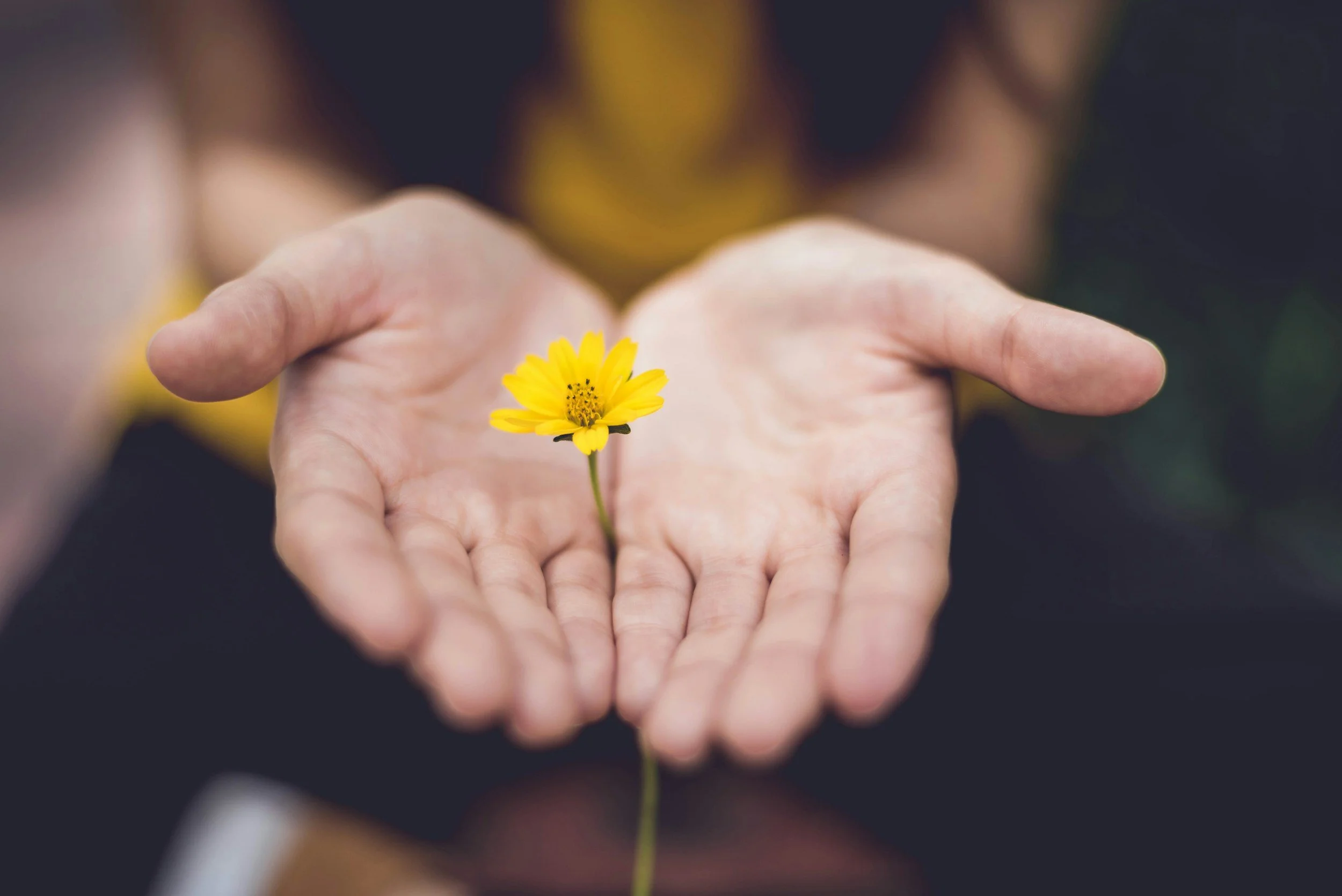
When most people think about how to read palms, they picture the distinctive lines etched into the surface. Here is a breakdown of the four major palmistry lines and what they are traditionally believed to represent:
1. The Heart Line
Location: The topmost horizontal line, running across the upper palm below the fingers.
The heart line governs matters of the heart, love, relationships, and emotional wellbeing. A long, curved heart line that sweeps upward toward the index finger is traditionally associated with a warm, romantic, and expressive person. A straight heart line suggests someone who is more practical and reserved in love. Breaks or islands in the heart line may indicate periods of emotional difficulty or significant relationship events.
2. The Head Line
Location: The middle horizontal line, running across the centre of the palm.
The head line represents intellect, communication style, and approach to problem-solving. A long, straight head line suggests analytical thinking and a logical mind, while a curved or sloping line points toward creativity and imagination. A deeply etched head line indicates concentration and focus; a faint one may suggest a more scattered or intuitive thinker.
3. The Life Line
Location: The curved line that arcs around the base of the thumb.
Despite popular belief, the life line does not predict how long you will live. Instead, it reflects the quality of your life, your energy levels, vitality, and major life changes. A strong, deep life line suggests robust health and enthusiasm for life. A life line that runs close to the thumb may indicate a more cautious or low-energy personality, while one that curves wide into the palm suggests an adventurous, outgoing spirit.
4. The Fate Line
Location: A vertical line running up the centre of the palm toward the middle finger.
Not everyone has a fate line, and its presence or absence is significant. Also called the line of destiny, this line relates to career, purpose, and the degree to which your life is shaped by external forces versus your own choices. A strong fate line suggests a clear life path and a strong sense of purpose. A faint or broken fate line may indicate a life of greater change, flexibility, or searching.
Minor Lines and Other Features
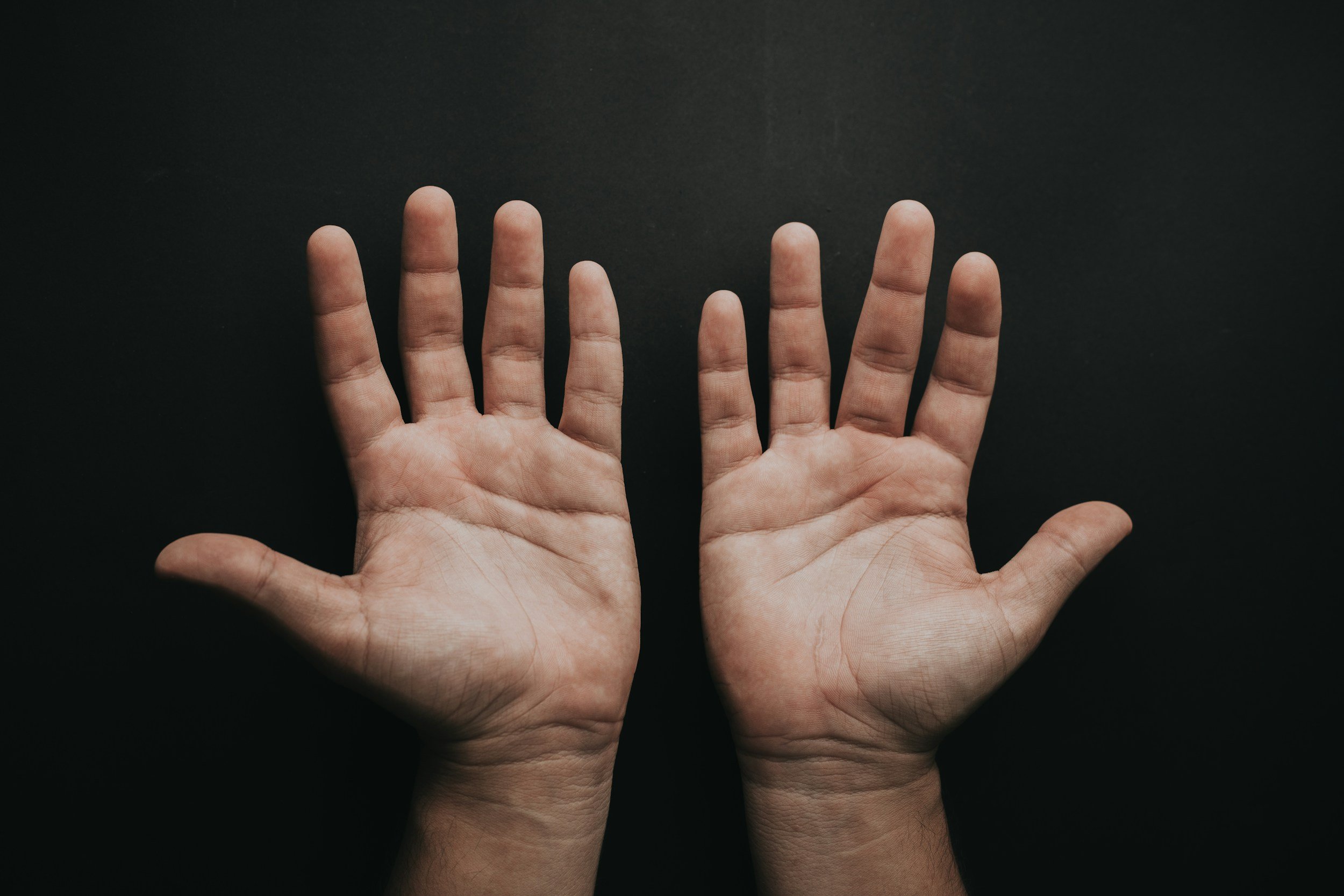
Once you have mastered the four major lines, your palm reading for beginners journey can expand to include minor lines and other features. Here are a few worth knowing:
The Sun Line (Apollo Line): Runs vertically toward the ring finger. Associated with success, fame, and creativity. A strong sun line suggests confidence and recognition.
The Mercury Line: Runs toward the little finger. Related to communication, business acumen, and health — particularly digestive or nervous system health.
The Marriage Lines: Small horizontal lines on the side of the hand, beneath the little finger. Traditionally linked to significant romantic partnerships.
The Mounts: The fleshy pads at the base of each finger and on the palm are called mounts, each named after a planet. A well-developed mount amplifies the qualities of that planet — for example, a prominent Mount of Venus (at the base of the thumb) suggests warmth, sensuality, and a love of beauty.
Tips for Reading Palms as a Beginner
As you begin practising how to read palms, keep these tips in mind to make the most of your readings:
Look for patterns, not predictions. Palmistry is best used as a mirror for self-understanding, not a crystal ball for fixed outcomes.
Lines change over time. Your hands reflect your life in real time. The lines can deepen, fade, or shift as your circumstances and personality evolve.
Consider the whole picture. A single line tells only part of the story. Read the hand holistically, taking into account hand shape, line depth, mounts, and finger length.
Practice regularly. The more hands you examine, the more fluent you will become in recognising patterns and variations.
Be sensitive and ethical. Palm readings can touch on personal topics. Always approach readings with empathy and respect.
Common Myths About Palm Reading
Part of becoming a confident beginner in palmistry is separating fact from fiction. Here are a few common myths worth addressing:
Myth: The life line predicts death. Not true. The life line reflects vitality and major life transitions, not lifespan.
Myth: A short head line means low intelligence. Not at all. A short head line often indicates focused, decisive thinking rather than a lack of intellect.
Myth: Palmistry is a fixed science. Palmistry has many schools and traditions, and interpretations can vary considerably. What matters most is developing your own intuitive understanding.
Conclusion: Your Journey Into Palmistry Begins Here
Palm reading for beginners is an endlessly rich and rewarding practice. With just the basics covered in this introduction to palmistry, including how to read palms, the meaning of the major palmistry lines, and how to approach a beginner hand reading, you now have the foundation to start exploring the stories written in your own hands and those of the people around you.
Take your time, be curious, and remember: palmistry is not about telling the future with certainty. It is about understanding the present more deeply — one line at a time.
Happy reading.